
Key Takeaways:
- Toys don’t create bacteria: They are simply vectors (carriers) that can move existing bacteria from one place to another.
- Material matters most: Porous materials trap bacteria, whereas non-porous materials like medical-grade silicone are infinitely safer.
- Solo play isn’t risk-free: Without proper cleaning, you risk self-reinfection or moving bacteria between different parts of your own body.
- Prevention is effortless: Thoroughly cleaning and completely drying your items after every single use practically eliminates your risk.
- Never ignore symptoms: If you feel burning, itching, or notice unusual discharge, skip the home remedies and see a doctor immediately.
The Short Answer: Yes, But Not How You Think
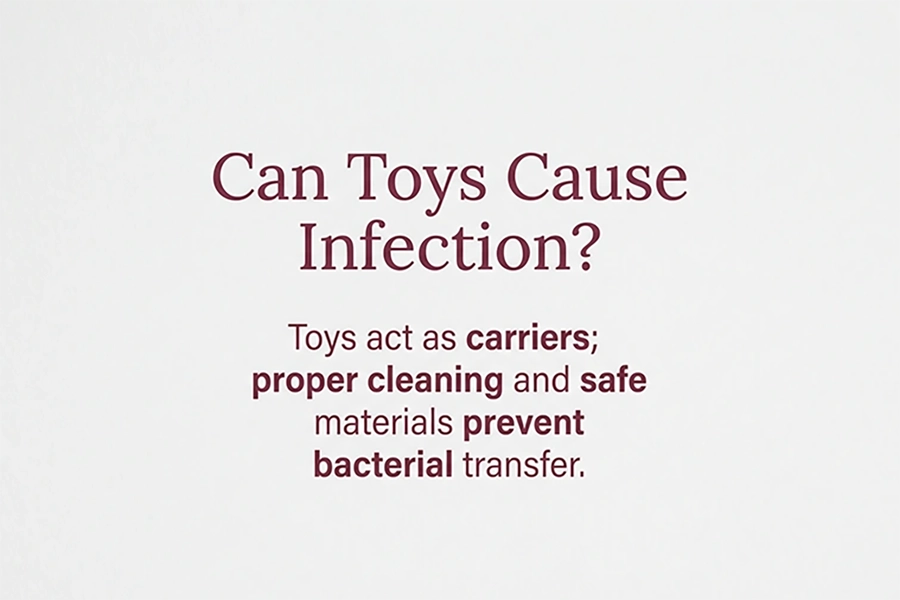
When people hear the word “infection,” it’s natural to imagine the worst. But the reassuring truth is that adult toys don’t create bacteria, yeast, or viruses by themselves. Instead, they can act as vectors, meaning they may carry microorganisms from one place to another if they aren’t cleaned properly. Bacteria, yeast, or other microorganisms can remain on their surfaces and be transferred during your next use if the toys aren’t cleaned and stored correctly.
How Can a Sex Toy Cause an Infection?
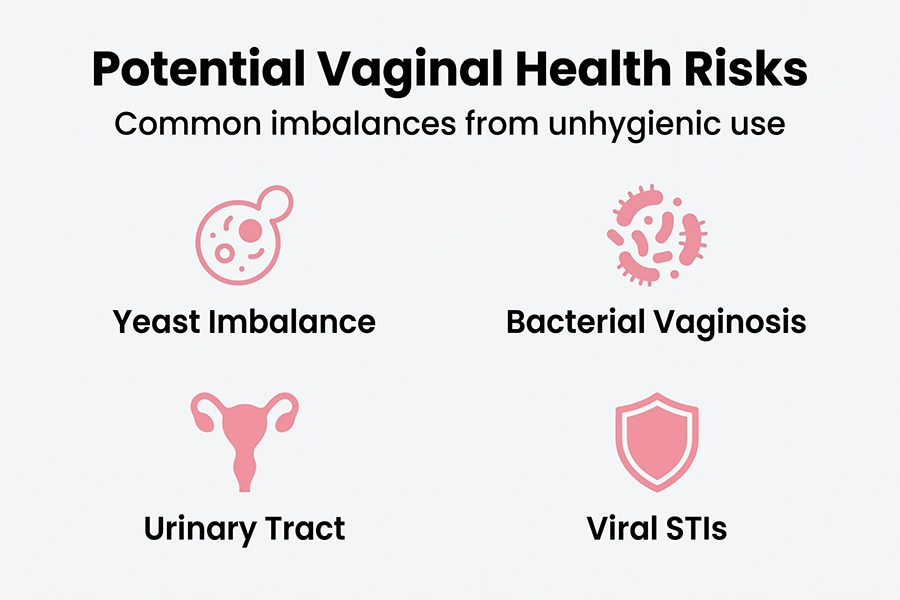
To answer the question, “can adult toys cause infection?”, it helps to understand what happens on a microscopic level. Your vagina has a delicate microbiome made up of bacteria and yeast that normally live in balance. An adult toy doesn’t create harmful microorganisms, but if it isn’t cleaned properly or is shared without protection, it can transfer them back to your body or to another person.
- Yeast Infections (Candidiasis): A small amount of yeast naturally lives in the vagina. If a toy isn’t cleaned thoroughly or is stored improperly, microorganisms may remain on its surface and contribute to an imbalance that allows yeast to overgrow.
- Bacterial Vaginosis (BV): BV develops when the natural balance of vaginal bacteria is disrupted. Using a toy that hasn’t been cleaned properly may increase the risk of transferring bacteria that contribute to this imbalance.
- Urinary Tract Infections (UTIs): Because the female urethra is short and located close to the vaginal opening, bacteria transferred around the vulva can sometimes enter the urinary tract and lead to a UTI.
- Sexually Transmitted Infections (STIs): Sharing sex toys without using a new condom or cleaning them thoroughly between users can allow viruses and bacteria—including those that cause chlamydia, HPV, or herpes—to pass from one person to another.
Read More: 12 Sex Toys FAQs: Answers to the Most Common Questions About Sex Toys
There Is a Risk Even When You Use It Solo
If you’re wondering, can adult toys cause infection even if you never share them, The answer is yes—but the risk comes from poor hygiene, not the toy itself. An unclean or damp toy can carry bacteria or yeast back into your body, increasing the risk of infections.
In my experience, many women assume solo use is completely risk-free. While sharing toys does increase infection risk, using your own toy doesn’t automatically eliminate it.
One example is self-reinfection. If you’ve recently recovered from a mild infection but don’t clean and dry your toy properly, small amounts of bacteria or yeast may remain on the surface and be reintroduced the next time you use it.
Another common mistake is anal-to-vaginal use without washing the toy or changing the condom first. Bacteria such as E. coli, which naturally live in the bowel, can disrupt the vagina’s natural balance and significantly increase the risk of vaginal infections or UTIs.
Toy Material: The Crucial Factor Many People Overlook
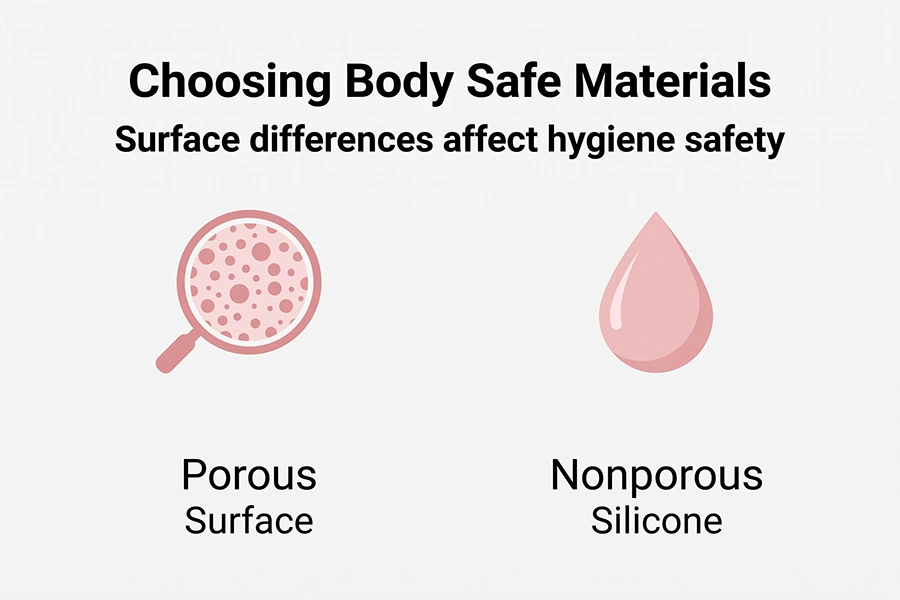
From a health perspective, the material matters far more than the appearance. The biggest difference is whether a toy is porous or non-porous. Porous materials contain tiny microscopic holes that can trap bacteria, fungi, and body fluids, making them much harder to clean completely. Non-porous materials have a smooth surface that is far easier to sanitize properly.

The table below compares porous and non-porous adult toy materials, highlighting how each affects hygiene and infection risk.
| Material Type | What You Should Know | Recommendation |
| Porous (TPE, TPR, Jelly, Rubber) | Microscopic pores can trap bacteria and yeast even after washing. | Avoid when possible. If you use one, cover it with a condom and replace it if it becomes damaged. |
| Non-Porous (Medical-grade Silicone, Borosilicate Glass, Stainless Steel) | Smooth surface that is much easier to clean and disinfect. | The safest choice. Clean after every use and allow it to dry completely before storage. |
For long-term safety, I always recommend choosing medical-grade silicone, borosilicate glass, or stainless steel whenever possible. They may cost a little more upfront, but they’re more durable, easier to keep hygienic, and can significantly reduce the risk of contamination with proper care.
Read More: Best Vibrator Material to Avoid Infection: 4 Body-Safe Materials to Choose
Symptoms You Shouldn’t Ignore
Most people never develop an infection from using an adult toy, especially when it’s cleaned properly. However, if you notice any of the following symptoms, it’s important to pay attention to your body:
- Persistent itching or burning around the vulva, vagina, or anus.
- Burning or pain during urination.
- Unusual vaginal discharge, especially if it changes in color, texture, or amount.
- A strong or fishy vaginal odor.
- Pelvic pain or symptoms that don’t improve.
These symptoms don’t always mean your toy caused an infection, but they can be signs of a yeast infection, bacterial vaginosis (BV), a urinary tract infection (UTI), or another condition that requires medical evaluation.
Medical Note: This article is for educational purposes only and isn’t a substitute for professional medical advice. If you experience any of the symptoms above, avoid self-diagnosing and consult a healthcare professional for an accurate diagnosis and appropriate treatment.
How to Greatly Reduce Your Risk
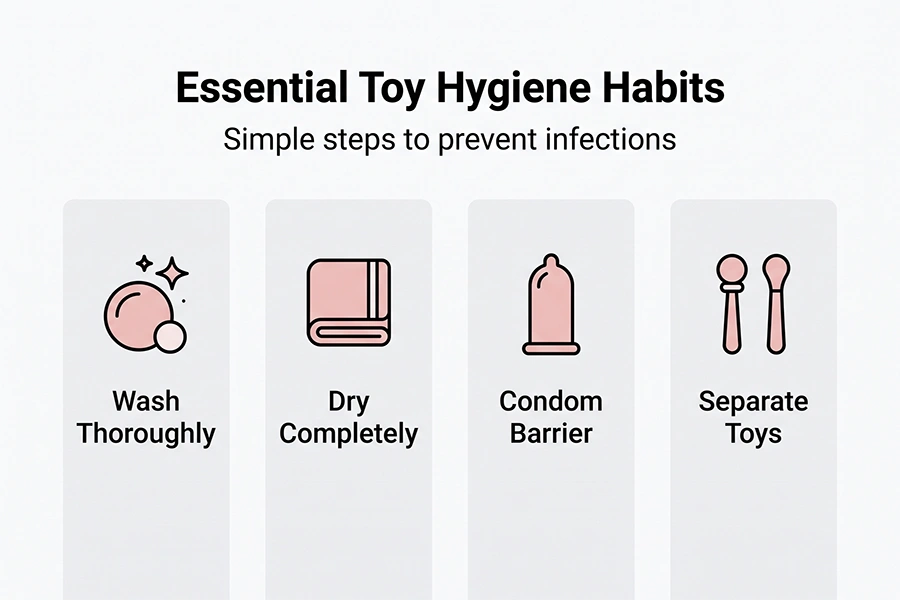
If you’re wondering, can adult toys cause infection, the good news is that most toy-related infections are preventable. A few simple hygiene habits can significantly reduce your risk and help you use adult toys safely.
- Clean your toy after every use. Wash it with warm water and a mild, fragrance-free soap or a cleaner recommended by the manufacturer.
- Dry it completely before storage. Moisture can encourage the growth of bacteria and yeast, so always let your toy air dry or dry it with a clean, lint-free towel before putting it away.
- Use a condom if the toy is shared. Replace the condom between partners and whenever switching from anal to vaginal use.
- Use separate toys for different body areas. If you plan to buy anal toys, keep them separate from toys used vaginally. If you only have one toy, wash it thoroughly and change the condom before using it on another area.
Following these simple steps can make using a medical-grade, non-porous toy both hygienic and safe for most people. As the Healthline notes: “You want to clean your sex toys every time you use them because dirty (used) toys can introduce bacteria and possibly cause infections.” — Searah Deysach, sex educator.
Read More: How to Clean a Sex Toy Without Ruining It: Safe & Easy Tips
So, Should You Be Worried?
The short answer is no. If you’re wondering, can adult toys cause infection? The toy itself isn’t usually the problem. In most cases, infections are linked to poor hygiene, sharing toys, or choosing low-quality porous materials.
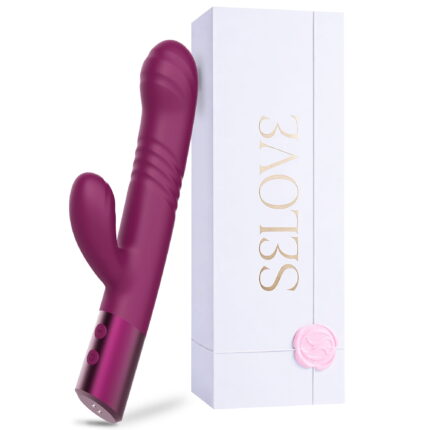
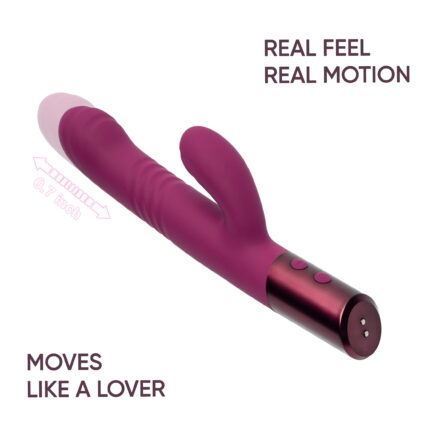
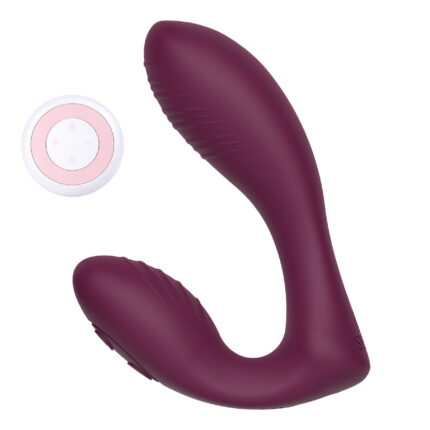
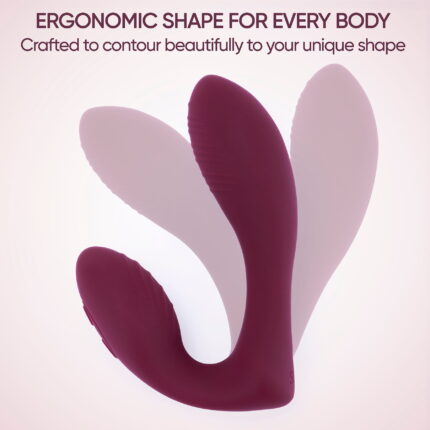
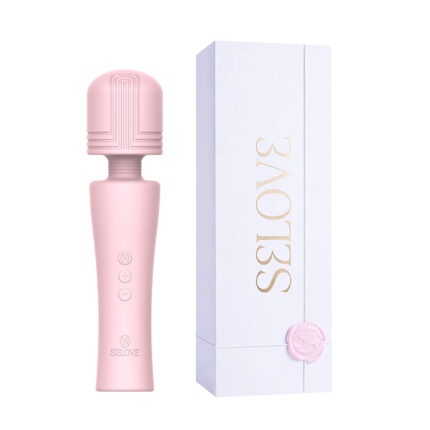
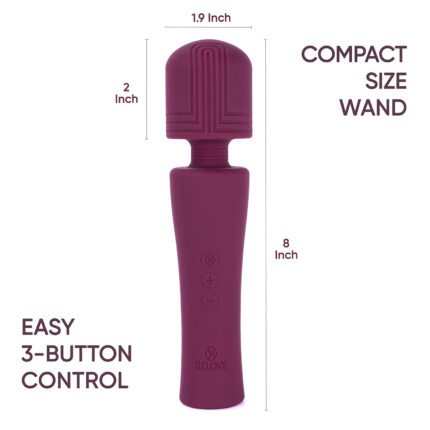
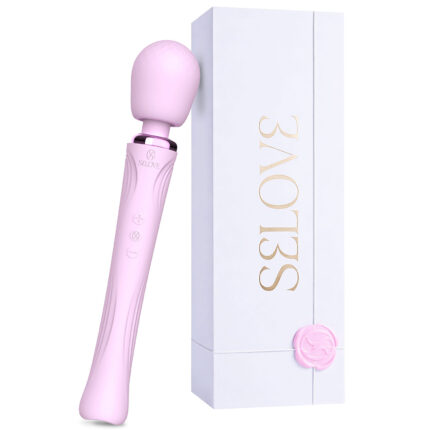
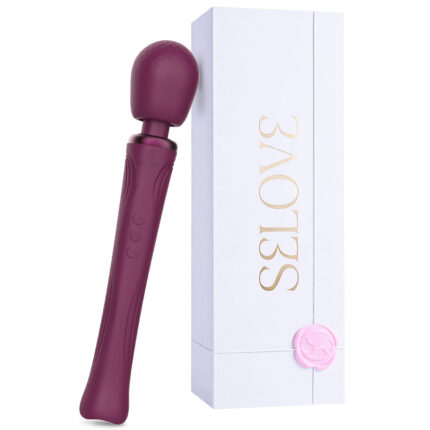
If you plan to buy a vibrator, look for medical-grade silicone and choose trusted categories such as Rabbit Vibrators, Wand Vibrators, or G-Spot Vibrators. A body-safe toy that’s cleaned, dried, and stored properly is safe for most people to use.
Final Thoughts
If you’ve been asking can adult toys cause infection, the key takeaway is simple: the toy itself isn’t usually the problem—how it’s used and cared for is. Choosing a body-safe product, cleaning it after every use, and storing it properly can greatly reduce your risk.
Can I use a sex toy if I have a yeast infection?
It’s best to avoid using a sex toy until the infection has completely cleared. Using a toy during an active infection may worsen irritation or increase the chance of reintroducing yeast if the toy isn’t cleaned thoroughly.
Can I use alcohol or bleach to disinfect my sex toy?
Not usually. Harsh chemicals such as bleach or rubbing alcohol can damage certain materials and may irritate sensitive skin. Instead, follow the manufacturer’s cleaning instructions and use warm water with a mild, fragrance-free soap or a recommended toy cleaner.
How often should I replace my sex toy?
A high-quality, non-porous toy can last for years with proper care. However, if you notice cracks, tears, discoloration, a sticky surface, or damage that makes cleaning difficult, it’s time to replace it to help maintain good hygiene.