

Key Takeaways
- Prioritize Body-Safe Materials: Discover which specific materials are best for your intimate health and why making the right selection is crucial for a secure experience.
- Master Maintenance and Hygiene: Learn the foundational rules for effectively cleaning your items and selecting the correct lubricants to protect both your body and your collection.
- Enhance Partner Communication: Explore how introducing pleasure products can foster a deeper connection and why mutual consent remains the ultimate foundation for shared exploration.
- Navigate Wellness Without Shame: Understand the vital role of solo exploration in modern self-care and review essential Sex Toys FAQs to build confidence in your personal journey.
Sex Toys FAQs: Your Most Common Questions Answered
Whether you’re buying your first sex toy or simply looking for reliable information, having questions about sex toys is completely normal. Below, I’ve answered 12 of the most common sex toy FAQs, using evidence-based information and insights from my clinical experience.
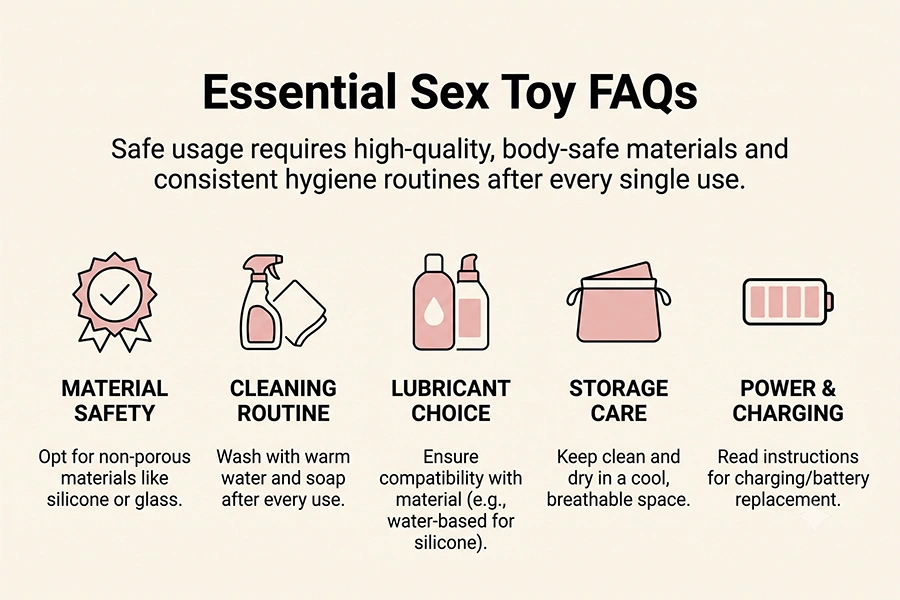
Whether you are purchasing your very first pleasure product or simply seeking out reliable, judgment-free information, having questions is a completely normal part of the process. The world of sexual wellness can sometimes feel overwhelming, with countless options and conflicting advice, but exploring it should never be a source of anxiety. To help you confidently navigate this space, I have compiled a detailed overview of the most pressing Sex Toys FAQs, addressing everything from material safety and proper hygiene to partner integration and navigating specialized life stages like pregnancy or menopause.
By blending evidence-based insights with my clinical experience as a Master of Midwifery, these answers are thoughtfully designed to provide the foundational clarity you need. Dive into the comprehensive breakdown below to discover the specific, practical guidance that will empower your choices and support your ongoing sexual well-being.
Are sex toys safe to use?
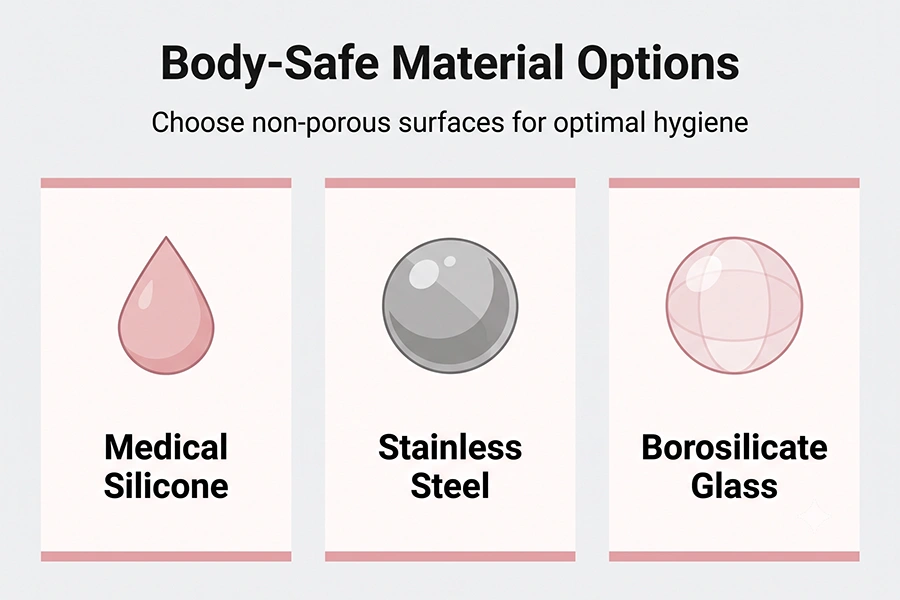

Yes. Most sex toys are safe when they are made from body-safe materials and used according to the manufacturer’s instructions.
Look for toys made from materials such as:
- Medical-grade silicone
- Stainless steel
- Borosilicate glass
Avoid toys made from porous or low-quality materials, as they can retain bacteria and become more difficult to clean over time.
For safe use:
- Buy from reputable brands.
- Inspect your toy regularly for cracks, tears, or other damage.
- Clean it before and after every use.
- Stop using it if it becomes damaged.
How do I clean my sex toys?
Proper cleaning helps reduce the risk of irritation and infection. Always follow the manufacturer’s cleaning instructions, but in general:
- Silicone, stainless steel, and glass toys can usually be washed with warm water and mild, fragrance-free soap or a toy cleaner.
- Waterproof toys can often be rinsed under running water.
- Toys with electronic components that are not waterproof should be wiped with a damp cloth.
- Allow your toy to dry completely before storing it in a clean, dry place, preferably in its own storage bag or case.
- Keep reading my sex toys FAQs for more practical, evidence-based answers.
Can I use the same toy for vaginal and anal play?
It is best not to.
Using the same toy for anal and vaginal play without cleaning it can transfer bacteria and increase the risk of vaginal or urinary infections. If you want to use one toy for both:
- Wash it thoroughly before switching.
- Or cover it with a condom and replace the condom before vaginal use.
- For anal play, always choose toys with a flared base to prevent them from becoming lodged inside the rectum.
Read More: Can Adult Toys Cause Infection? The Truth, Risks & How to Stay Safe
Do I need to use lubricant with sex toys?
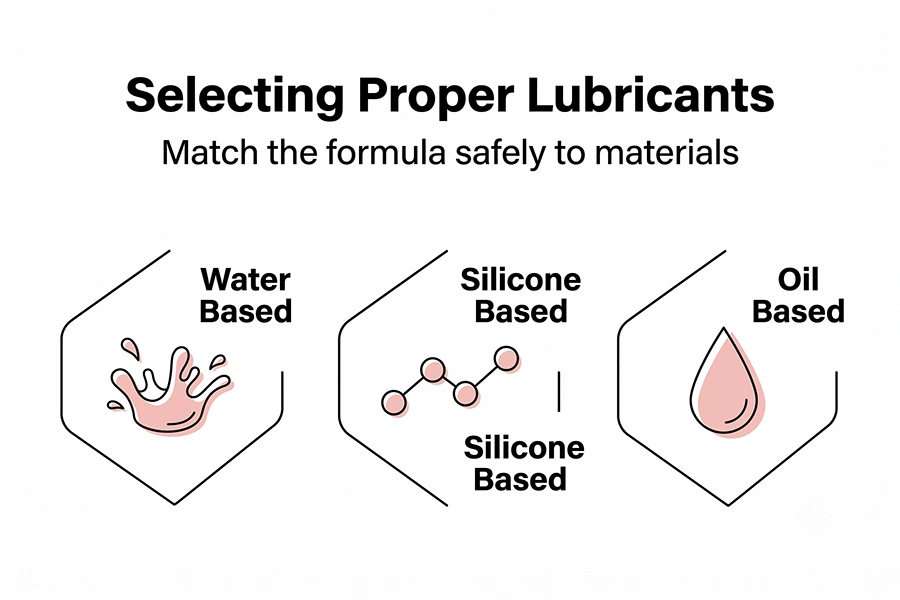
Lubricants can reduce friction, improve comfort, and enhance pleasure for many people.
The best choice depends on your toy:
- Water-based lubricant: Safe for all toy materials and easy to clean.
- Silicone-based lubricant: Long-lasting, but may damage some silicone toys.
- Oil-based lubricant: Not recommended with latex products and may not be suitable for some toy materials.
If you’re unsure, a water-based lubricant is usually the safest option.
Can I use sex toys with a partner?
Yes. Many couples use sex toys to increase pleasure, improve communication, and explore new ways of being intimate.
Some popular options include:
- Small vibrators during intercourse
- Remote-controlled toys
- Couples’ vibrators
- Massage devices
- Sensation-play accessories
The most important ingredients are open communication, mutual consent, and respecting each other’s comfort and boundaries.
Read More: Best Sex Toys for Couples: 10 Top-Rated Toys for Shared Pleasure
How do I choose the right sex toy?

There is no single “best” toy, what feels good varies from person to person. Think about what kind of stimulation you’re interested in:
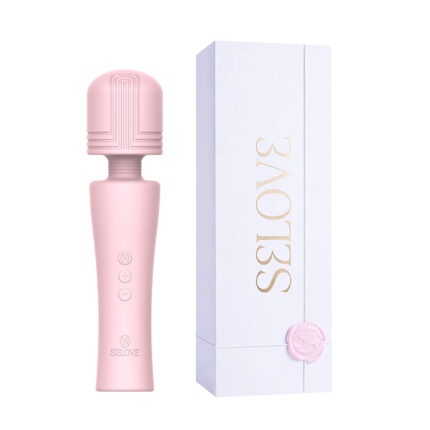
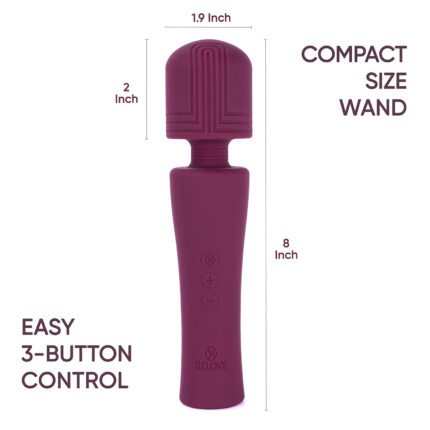
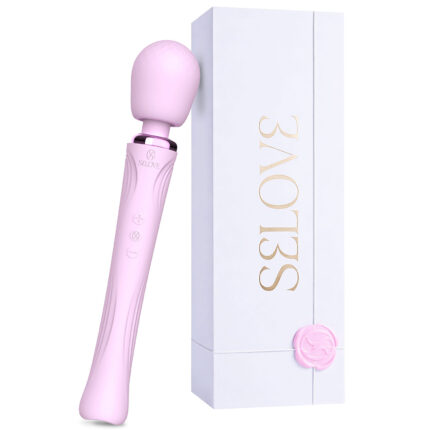
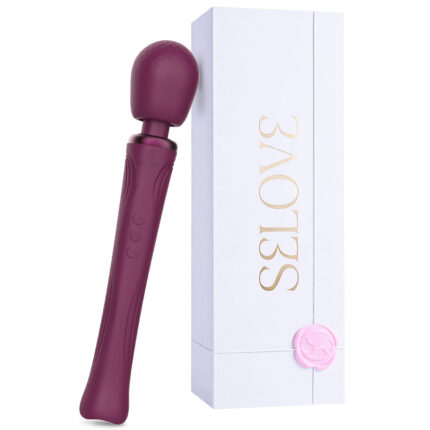
- External stimulation: Bullet or Wand vibrators or air-pulse toys.
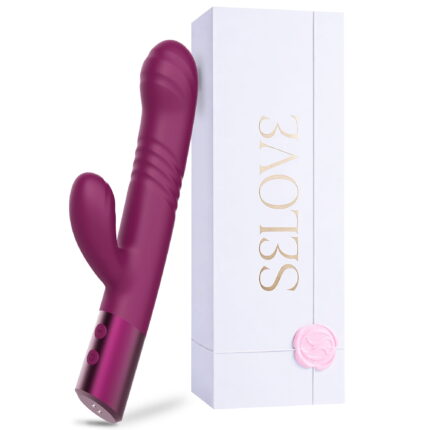
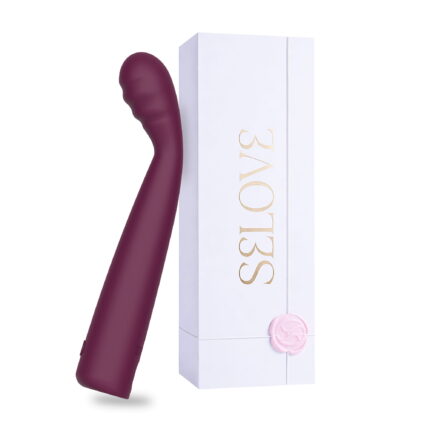
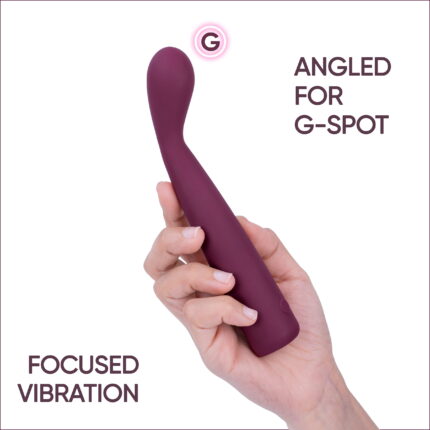
- Internal stimulation: Dildos or internal vibrators such as G-spot or Rabbit vibrators.
- Anal play: Toys with a flared base.
- Couples’ play: Wearable or app-controlled devices.
If you’re new to sex toys, choose a smaller size, adjustable vibration settings, and body-safe materials. Exploration is personal, and it’s perfectly normal for your preferences to change over time.
Read More: Best Sex Toys for Beginners: 6 Safe & Easy Starter Picks
Is it normal to feel embarrassed or unsure about using sex toys?
Absolutely. Many people grow up with messages that make sexuality or self-pleasure feel uncomfortable or shameful. Learning about your body and exploring your sexuality in a safe, consensual way is a normal part of sexual well-being. Take your time, stay curious, and remember that there is no “right” timeline or experience. Your comfort matters most.
Before making your first purchase, take a few minutes to read the rest of My sex toys FAQs for practical, evidence-based answers.
Can sex toys cause infections?
Sex toys themselves do not cause infections when they are cleaned properly and used safely. However, the risk of infection may increase if:
- Toys are not cleaned between uses.
- A damaged toy is used.
- A toy is shared without cleaning or using a new condom.
- The same toy is used for anal and vaginal play without cleaning it first.
Good hygiene and body-safe materials significantly reduce these risks.
Can using sex toys make me dependent on them?
No. There is no evidence that sex toys cause physical dependence or permanently reduce sexual function.
Some people become accustomed to a particular type of stimulation. Varying techniques, positions, or types of stimulation can help maintain sexual responsiveness and keep experiences enjoyable.
The following sex toys FAQs answer the questions women ask most often, helping you make informed and confident decisions.
Can I use sex toys during pregnancy?
In many uncomplicated pregnancies, sex toys can be used safely if they are clean, comfortable, and do not cause pain or bleeding.
However, avoid vaginal penetration and speak with your healthcare provider if you have:
- Placenta previa
- Unexplained vaginal bleeding
- Ruptured membranes (“water has broken”)
- Signs of preterm labor
- A medical recommendation for pelvic rest
If you have any concerns about your pregnancy, seek personalized medical advice before using internal toys.
Can I use sex toys after giving birth?
It depends on your recovery. Most healthcare providers recommend waiting until postpartum healing is complete—often after the postpartum check-up—before using internal sex toys.
If you have pain, persistent bleeding, signs of infection, or concerns about healing, consult your healthcare provider before resuming vaginal penetration.
Starting slowly, using lubricant, and listening to your body’s comfort can make the experience more comfortable.
Are sex toys safe after menopause?
Yes. Many people find that sex toys can support sexual well-being after menopause by increasing arousal, promoting blood flow, and making sexual activity more comfortable.
Because lower estrogen levels can contribute to vaginal dryness, using a water-based or silicone-compatible lubricant may improve comfort.
If you experience ongoing pain or significant dryness, discuss your symptoms with a healthcare professional, as treatments are available.

Final Thoughts
I hope answering these sex toys FAQs gives you the clarity, confidence, and peace of mind you deserve to explore your own desires safely. Remember, prioritizing your pleasure is a beautiful form of self-care, and there is absolutely no shame in wanting to learn more. Listen to your body, invest in high-quality, body-safe materials, and don’t be afraid to experiment at your own comfortable pace.
References: wildsecrets refinery29
Can sex toys improve sexual health?
Yes, they can. Sex toys may help increase arousal, make it easier to reach orgasm, improve intimacy with a partner, and encourage body awareness.
What’s the difference between clitoral and vaginal orgasms?
A clitoral orgasm results from stimulation of the clitoris (a highly sensitive organ at the top of the vulva), while a vaginal orgasm is experienced during vaginal penetration. For many women, clitoral stimulation is the most reliable way to reach orgasm, even during penetrative sex.
What’s the difference between a dildo and a vibrator?
A dildo is designed mainly for penetration and usually does not vibrate. A vibrator contains a motor that creates vibrations to stimulate sensitive areas of the body, either externally, internally, or both.