

Key Takeaways:
- Acknowledge the fear: It is completely normal for partners to initially feel threatened; understanding this empathy is your strongest starting point.
- Timing is everything: Choose a neutral, relaxed space outside the bedroom to avoid immediate pressure or defensiveness.
- Focus on the “we”: Frame the addition as a tool for mutual exploration and wellness, not a replacement for intimacy.
- Start small: Begin with gentle, ergonomic care tools that promote shared well-being and relaxation.
Why Does This Conversation Feel So Scary?
Talking about sex toys can feel intimidating because of vulnerability, possible rejection, or fear of being misunderstood. Often, the concern is less about the toy and more about what a partner might think it means for the relationship.
A partner may interpret the suggestion as criticism or feel they are not satisfying you. Recognizing this can help you respond with reassurance rather than defensiveness.
Avoiding the conversation may feel easier, but holding back your needs can affect emotional closeness and sexual communication over time. You do not have to share everything at once; a calm, honest conversation can help you understand each other without pressure to try anything immediately.
From My Consultation Room:
I once worked with a couple where the woman had wanted to suggest using a small vibrator but was afraid her husband would interpret it as a criticism of him. When she finally shared what she had been thinking, he was more concerned about why she had felt unable to tell him than about the vibrator itself. It was a useful reminder that the fear surrounding a conversation can sometimes become heavier than the conversation itself.
What to Prepare Before Starting the Conversation?
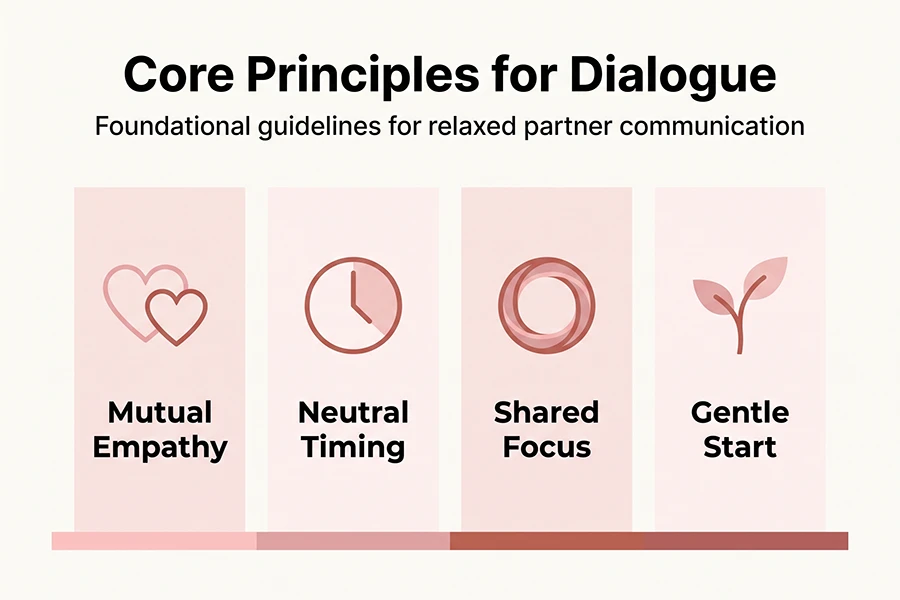
If you’re wondering how to talk to your partner about sex toys, setting the stage before you say a word can make the conversation much easier. Choose an environment where both of you feel comfortable, unhurried, and free to respond honestly.

Avoid bringing it up immediately after intimacy, especially if the experience was difficult, or during an argument. Instead, choose a neutral, low-pressure setting with enough time to talk. A walk, quiet coffee, or relaxed drive can work well. Sitting side by side may also feel less intense than facing each other directly.
Before starting, ask yourself whether you feel frustrated, disappointed, or attached to a particular response. If so, wait until you feel calmer. These conversations usually go better when approached with curiosity rather than pressure. You do not need to plan every word, just be ready to listen as well as share.
How to Open the Topic? (Practical Techniques)
Once the timing feels right, the next challenge is knowing what to say. If you’re learning how to talk to your partner about sex toys, I encourage starting with openness rather than presenting the idea as a solution to something that is “wrong.”
Starting from a Personal Experience or Curiosity
Share something you have personally become curious about. For example: “I was reading about sexual wellness and came across some information about using certain tools, and it made me curious.” This frames the conversation as exploration rather than a problem.
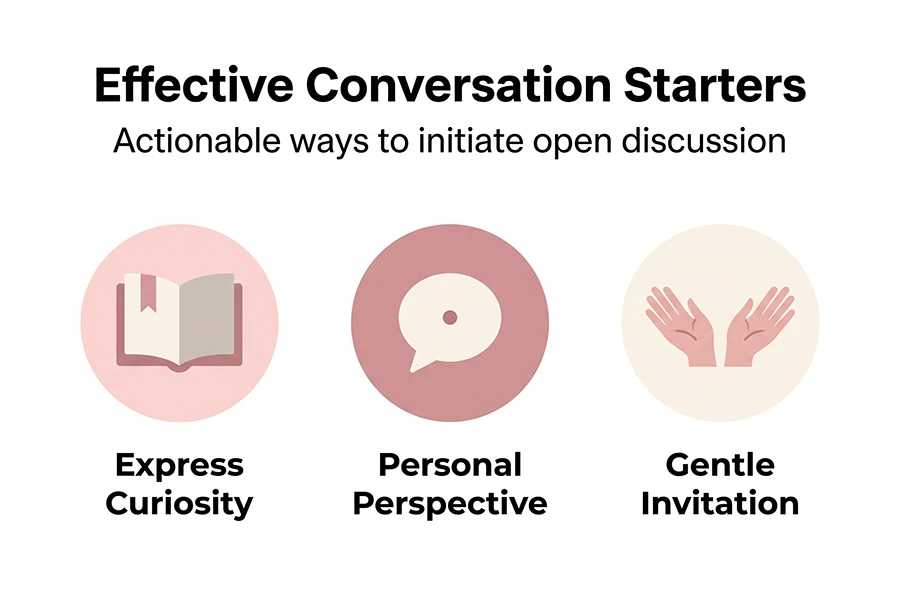
Using “I” Statements Instead of “You”
Focus on your own feelings instead of saying “You never…” or “You don’t…,” which can sound critical. Try: “I’ve been noticing what helps me feel more relaxed, and I’d like to explore something new together.”
Suggesting Rather Than Requesting
Treat the conversation as an invitation. Questions like “What would you think about…?” or “How would you feel about trying…?” give your partner space to share their feelings or boundaries. The goal is to decide together whether, when, and how to explore something new.
What if Your Partner Shows Resistance?
Even with preparation, your partner may hesitate or become defensive. If you’re learning how to talk to your partner about sex toys, remember that a first reaction is not necessarily a final decision.
The Difference Between “Not Now” and “Never”
Give your partner time to process the idea. A hesitant response does not mean they will never be open to it, but you should not assume they will change their mind. You might say, “I understand this is new. We don’t have to decide today; I just wanted to share what I was thinking.”
Respecting Boundaries and Avoiding Ultimatums
Avoid guilt, pressure, or ultimatums. If your partner sets a clear boundary, respect it and reassure them that the suggestion is not a test of their abilities. The goal is mutual understanding, comfort, and consent, not persuasion.
After Agreeing, What Are the First Steps?
If you both decide to explore the idea, start slowly and keep the experience low-pressure.
A Gradual and Low-Pressure Start
Look at the toy together, discuss how you want to use it, or try it briefly. Keep it collaborative rather than treating it as a replacement for your partner’s touch. Check in with each other, and remember that either person can pause or change their mind.
The Aftercare Conversation
Afterward, talk about what felt comfortable or uncomfortable and what you might change next time. This makes future conversations easier and reinforces that exploring something new is a shared experience, not a performance test.
A Few Ready-to-Use Sentences to Start the Conversation
If you are still unsure how to begin, you do not need a perfect script. A simple, honest sentence is often enough to open the door:
- “I love being close to you, and I’ve been curious about whether we could try something new together. Would you be open to talking about it?”
- “I was reading about sexual wellness and came across some information about using intimate tools. It made me curious. How would you feel about exploring the idea together?”
- “I’ve been thinking about what helps my body relax, and I’d like to try something different with you. We can take it slowly and see how it feels.”
The important part is not the exact wording. Choose language that sounds natural to you and leaves your partner enough space to respond honestly.
Read More: Best Sex Toys for Couples: 10 Top-Rated Toys for Shared Pleasure
It’s Time to Start: A Look at Our best-selling vibrators
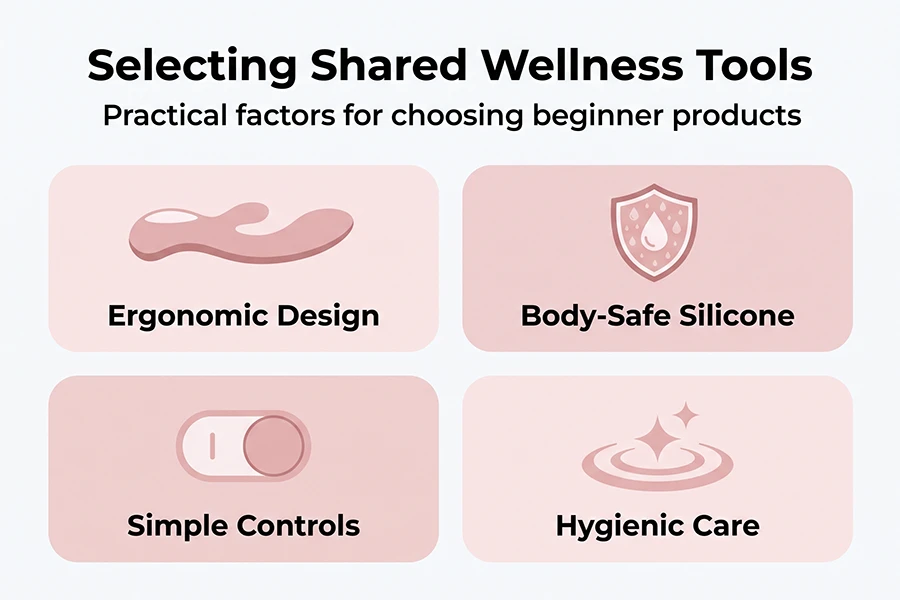
If you have both decided to explore the idea, choosing a product together can become a natural extension of the conversation. Rather than focusing only on appearance or intensity, consider practical factors such as comfort, materials, controls, cleaning requirements, and whether the design feels approachable for both of you.
SeLove focuses on intimate wellness products designed with comfort, quality, and everyday self-care in mind. If you’re looking for a gentle place to start, exploring best-selling vibrators can help you compare different designs and find an option that suits your preferences.
For example, the TOUCHBEND – Slim Curved has a flexible, ergonomic design for easy positioning, while the PulseWand offers deeper, more pronounced vibration for a different sensory experience.
Material and care also matter. The products use medical-grade silicone, a non-porous material that can be thoroughly cleaned according to the manufacturer’s instructions. Waterproof designs may make cleaning easier, but always check the specific product’s care and water-resistance guidelines.
Important Clinical Reminder:
These products are self-care tools, not medical treatments. For acute pain, signs of infection, or significant pelvic concerns, consult a qualified healthcare professional or pelvic floor physiotherapist.
Final Thoughts
Learning how to talk to your partner about sex toys is ultimately an exercise in communication, vulnerability, and trust. Remember, this journey is about enhancing your overall well-being and celebrating the beautiful connection you share with your partner. Be patient with yourself, and be gentle with them.
I would love to hear from you. Have you had this conversation with your partner? What worked for you? Please share your experiences in the comments below so we can continue to learn from and support each other.
References: amourfuel vushstimulation
Should I buy the tool before or after we talk about it?
It is usually better to talk first. Buying it beforehand may make your partner feel excluded. Choosing one together can also be a fun, intimate experience.
What if they ask if they are “bad in bed”?
Reassure them warmly that intimacy is not a performance test. Explain that a sex toy is simply an additional tool, it can enhance your experience without replacing their touch.
Can using these tools cause physical dependency?
There is no good evidence that using sex toys causes physical dependency or prevents the body from responding to a partner’s touch. They simply provide another form of sexual stimulation.