

Start Here
Start here · A beginner’s guide
A Beginner’s Guide to Masturbation and Vibrators
Your journey to self-discovery starts here.
Getting to know your body can open the door to new sensations, pleasurable discoveries, and a deeper understanding of what you enjoy. Masturbation, also called self-pleasure, is one way to explore those possibilities, whether you begin with your own touch or try a vibrator.
This beginner’s guide answers common questions about your body, feelings, relationships, choosing your first vibrator, first-time use, and care. Find your starting point and explore with curiosity, confidence, and room to discover at your own pace.

Follow your curiosity
Where would you like to begin?
Every journey starts somewhere. Choose a topic below to explore common questions, find reassurance, and discover your next step.
Why explore self-pleasure?
Discover what self-pleasure could offer you, whether you start with your own touch or a vibrator.
Read more → 02Feelings & relationships
Explore your feelings and find ways to talk openly with your partner.
Read more → 03Understand your body
Get to know your body and discover the sensations you enjoy.
Read more → 04Choose your first vibrator
Find a design that suits your preferences, comfort, and curiosity.
Read more → 05Your first experience
Get ready, explore with confidence, and discover what works for you.
Read more → 06Cleaning & care
Learn the essentials of cleaning, charging, and storing your vibrator.
Read more →Why explore self-pleasure?
There’s more to discover about yourself.
Self-pleasure is a personal way to explore sensations, understand your preferences, and discover what you enjoy. Whether you’re curious about your own touch or a vibrator, these questions can help you feel more informed and comfortable about taking your first step.
What is masturbation, and why might I want to explore it?
Masturbation, also called self-pleasure, means touching your own body for sexual pleasure. It can be an enjoyable way to spend time with yourself, explore new sensations, and learn what you like. You can begin with your own touch or choose a vibrator, neither is a requirement, and there is no single experience you need to aim for.
Further reading: [1]
What could I discover about my body and what I enjoy?
You may discover preferences you had never noticed before: the kinds of touch you enjoy, sensations you would rather avoid, and what helps you feel comfortable. These discoveries can make your preferences easier to understand and, if you choose, easier to explain to a partner. Think of it as getting acquainted with yourself, rather than learning a technique you must get right.
Can I enjoy masturbation alongside a satisfying sex life with a partner?
Yes. Enjoying time with your own body can exist alongside a satisfying sex life with a partner. Being curious about self-pleasure does not, by itself, mean that something is missing from your relationship or that your partner is not enough. Solo and shared pleasure can offer different experiences. How you discuss them is a separate conversation about privacy, boundaries, and your relationship agreements.
Further reading: [14]
Do I need a vibrator to masturbate, or can I start with my own touch?
You do not need to buy anything to begin. Your hands offer a simple way to explore your preferences, while a vibrator adds a different kind of sensation that some people enjoy. You can try either, both, or neither. A vibrator is an option, not an upgrade you are expected to make, and choosing one does not mean you need an insertable design.
Further reading: [1]
Is masturbation safe, and what should I know before trying it?
Self-pleasure is generally safe when you keep comfort and hygiene in mind. Wash your hands, keep nails smooth, and follow the cleaning and use instructions for any toy. A compatible lubricant can help reduce friction. Stop if anything hurts; more pressure or intensity is not something you need to work toward. If pain or irritation persists, speak with a healthcare professional. Sharing toys needs additional precautions against infections.
What if I don’t feel much pleasure or reach orgasm at first?
That does not mean you have done anything wrong. Pleasure and orgasm can be influenced by mood, comfort, stress, medication, and other factors. If you’re using a vibrator, getting familiar with its shape and settings may take time. Small changes in placement, angle, or intensity may help you discover what feels better for you. You do not need to figure it all out in one session; if you want, explore again another time, without rushing or pushing through discomfort. Different designs suit different bodies, and orgasm is not the only measure of an enjoyable experience. If a difficulty persists and bothers you, a qualified healthcare professional can help.
Further reading: [3]
Feelings & relationships
Feel more at ease with exploring yourself.
Exploring self-pleasure can bring up questions about your values, your privacy, and your relationship. Here, you can reflect on those feelings and explore ways to talk with a partner, with respect for your own choices and each other’s boundaries.
Is it normal to feel curious and hesitant at the same time?
Yes, you can be interested in self-pleasure and still feel unsure about trying it. You may be wondering what it will feel like, how it fits your values, or what a partner might think. Give yourself space to explore those questions. Learning more can be a first step in itself; you do not need to feel completely confident or make a decision straight away.
Why might I feel guilt or shame about masturbation, and how can I work through those feelings?
Guilt or shame may be connected to messages you have absorbed from family, culture, religion, relationships, or expectations about sexuality. Try noticing where the feeling comes from and whether it reflects your own values or a judgment you have learned to expect. You do not need to dismiss your beliefs or force yourself to feel differently. Approach yourself with kindness; if these feelings are distressing or persistent, a qualified, nonjudgmental therapist can help you explore them.
Should I talk to my partner about solo self-pleasure or using a vibrator?
Personal privacy and shared sexual decisions are different things. There is no single rule about how much detail partners should share about solo self-pleasure; consider your values and any agreements in your relationship. If you want to introduce a vibrator into shared intimacy, discuss it first and make sure you both freely agree. A conversation can help clarify expectations, but you do not need to frame your curiosity as something wrong or ask for permission to have feelings and interests of your own.
How can I bring it up without making my partner feel criticized or replaced?
Choose a calm moment outside an argument or sexual encounter. Speak about your curiosity rather than what your partner is not doing: “I’d like to explore some different sensations, and I’m interested in how you feel about that.” If it is true for you, explain that this is about adding another experience, not replacing closeness with them. Invite questions and listen. You cannot control every reaction, but you can keep your words honest, considerate, and free of pressure.
What if my partner finds out before we have talked about it?
If it feels safe to talk, choose a calm moment to explain what self-pleasure or the vibrator means to you. Ask what concerns them rather than assuming you know. You can acknowledge their surprise without treating your curiosity as a wrongdoing. If an explicit relationship agreement was affected, discuss that honestly as a separate issue. If you fear threats, punishment, or controlling behaviour, prioritize your safety and seek confidential support instead of feeling obliged to explain immediately.
What if my partner feels uncomfortable or does not want to try it together?
Listen to their concerns and give them room to say no. You can explain what interests you, but neither person should feel pressured to take part. It may help to separate three questions: how they feel about the idea, whether they want to join in, and what privacy and boundaries mean in your relationship. You do not need to resolve everything in one conversation. Any shared experience should begin only when you both genuinely want it.
A simple way to start the conversation
“I’ve been curious about self-pleasure and trying a vibrator. I’d like to share what interests me and hear how you feel about it.”
Understand your body
Get to know what feels good for you.
Self-discovery begins with getting to know your own body. Understanding a little anatomy and noticing your responses can help you explore with more confidence. Start with curiosity, make room for different sensations, and let your own comfort and enjoyment guide you.
What should I know about the vulva, clitoris, and vagina?
The vulva is the external genital area, including the labia, clitoral glans and hood, and vaginal opening. The vagina is the internal canal, not the name for the whole area. The clitoris has both external and internal parts and plays an important role in sexual pleasure. Knowing these names can help you understand your body and describe your preferences more clearly. Bodies naturally vary in appearance; yours does not need to match a particular image.
What is the difference between external and internal stimulation?
External stimulation involves contact with areas outside the body, such as the vulva and the external part of the clitoris. Internal stimulation involves contact inside the vagina. They can feel different, and you may prefer one, both, or different sensations at different times. Neither is more advanced or more valid. You can explore external sensations without inserting anything.
How can I begin discovering what I enjoy with my own touch?
Choose a private, comfortable setting and give yourself time to explore with clean hands and smooth nails. Notice which areas feel sensitive and what kinds of touch you enjoy; insertion is optional. A suitable lubricant can reduce friction and make touch feel smoother and more pleasurable. Once you have a sense of your preferences, explore vibrators designed for the sensations you like, they can offer different or stronger sensations, with adjustable settings depending on the model. Let comfort guide you, and stop if anything hurts.
How can I tell which sensations and levels of pressure I prefer?
Pay attention to your own response rather than what someone else says should feel good. When exploring, changing one thing at a time can make your preferences easier to notice. More pressure or intensity is not automatically better, and direct contact with sensitive areas may feel too strong. What feels comfortable can also change during an experience. If a sensation becomes unpleasant, reduce it, change it, or stop; you do not need to push past discomfort.
Further reading: [5]
Do I need penetration or a particular “spot” to enjoy masturbation?
No. Penetration is optional, and pleasure is not a test of finding a particular spot. The clitoris is important to sexual pleasure, and many people need direct or indirect clitoral stimulation to reach orgasm. Some enjoy internal sensations too; others prefer external contact. A label such as “G-spot” does not tell you what you must enjoy. Let your own responses guide you, without treating one kind of pleasure as the goal.
Further reading: [5]
What if my preferences are different from someone else’s, or change over time?
There is no universal pattern of pleasure. Your preferences may differ from a friend’s, a partner’s, or what you see online. They may also shift with mood, stress, hormonal changes, medication, or life circumstances. You can revisit what you enjoy instead of expecting the same response every time. A change is not automatically a problem, but a sudden or persistent change that concerns you, especially with pain or numbness, is worth discussing with a healthcare professional.
Further reading: [3]
Choose your first vibrator
Find your fit. Explore your possibilities.
What you have discovered about your body can help you choose your first vibrator. Start with the sensations that interest you, then compare shapes, sizes, and controls. These questions will help you understand the options and choose with more confidence, even if you are still discovering your preferences.
Which vibrator types should I consider for the sensations I enjoy?
Start with the kind of contact you prefer. Wand vibrators generally offer a broader contact area, while smaller external vibrators can offer more focused contact. Curved insertable designs are intended for internal exploration, and rabbit designs combine internal and external stimulation. Wearable models offer another way to position a device, sometimes with a remote. These categories are starting points; compare the actual shape and features of each model rather than choosing by its name alone.
Further reading: [8]
Should I start with an external, insertable, or dual-stimulation vibrator?
Choose according to your interest, not a required progression. An external vibrator lets you explore without insertion. An insertable model may appeal if you already enjoy internal sensations or want to explore them. A dual-stimulation design combines internal and external contact, but its arm spacing and shape need to suit your body. More functions do not automatically mean a better first choice. If you are unsure, a straightforward external model can be a practical place to begin.
Further reading: [8]
How do I choose a comfortable size and shape?
Look beyond the overall length. For an insertable model, check the insertable length and diameter; for an external model, consider the contact area, handle, weight, and reach. Think about how comfortably you could hold, position, and adjust it. Product photos can make scale difficult to judge, so use the measurements provided. Smaller does not automatically mean gentler, and larger does not automatically mean more pleasurable. Choose dimensions that feel approachable to you.
Further reading: [8]
How much power do I need, and which controls matter?
You do not need to choose the strongest vibrator available. Look for adjustable intensity so you can explore a range that suits you. Intensity changes vibration strength; patterns change its rhythm. Check whether these can be adjusted separately and how easily you can switch settings or turn the device off. Clear buttons and comfortable access may matter more than a long list of modes. If you want remote control, check whether it uses a nearby controller or an internet-connected app.
Further reading: [8]
What should I check about materials, cleaning, and lubricant compatibility?
Choose a product with clearly identified materials and specific care instructions, rather than relying only on a “body-safe” label. Check how it should be cleaned and exactly what its water-resistance rating allows; washable and suitable for submersion are not the same. Follow the manufacturer’s lubricant guidance. Water-based lubricant is compatible with many toys and can make contact smoother and more comfortable, but check the instructions for your particular model. Inspect the surface regularly and stop using a damaged device.
What should I consider about price, noise, charging, and privacy?
Set a budget that feels comfortable, then compare the features you will actually use. Check charging time, expected runtime, cable requirements, and whether the controls suit you. Noise can vary with the setting and how the device is used, so treat “silent” claims cautiously. For privacy, review the seller’s packaging and billing information, your storage options, and any app permissions. Also read the warranty and return policy, especially restrictions on opened intimate products, before purchasing.
Further reading: [12]
Sensation & fit
External, internal, or both, then compare size, shape, and reach.
Power & control
Look for adjustable intensity and controls you can use comfortably.
Materials & care
Check material details, cleaning instructions, and lubricant compatibility.
Everyday practicality
Consider price, noise, charging, storage, and privacy.
Ready to explore your options?
Find the kind that interests you.
Explore these four collections to learn more about each option and compare designs that suit your preferences.
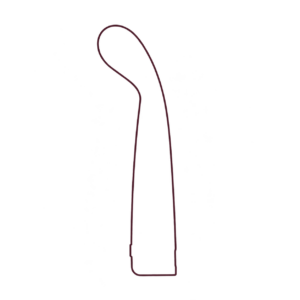
Internal Vibrators
Explore insertable designs in different shapes and sizes for internal stimulation.
Explore internal vibrators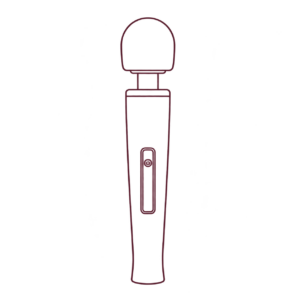
External Vibrators
Discover handheld and focused designs for pleasure without penetration.
Explore external vibrators
Dual-Stimulation Vibrators
Explore designs that combine internal and external stimulation in one device.
Explore dual stimulation
Couples Vibrators
Discover options for shared pleasure, including wearable and remote-controlled designs.
Explore couples vibratorsYour first experience
Make your first experience your own.
A little preparation can help you feel more comfortable and ready to explore. Get familiar with your vibrator, choose a setting where you feel at ease, and give yourself time to discover the sensations you enjoy. These questions will help you begin and make adjustments along the way.
What should I do before using a vibrator for the first time?
Read the instructions for your specific model, charge it as directed, and clean it before use. Check the surface for damage and learn how to turn it on, change settings, and switch it off before bringing it into contact with your body. Have a compatible lubricant nearby; it can reduce friction and make contact feel smoother and more comfortable. Follow the device’s intended use and water-resistance guidance rather than assuming all vibrators work the same way.
How can I create a comfortable setting and feel more at ease?
Choose somewhere you feel private, comfortable, and unlikely to be interrupted. You do not need a special atmosphere, comfortable clothing, a pleasant room temperature, and enough time may be all you want. Put distractions aside if that helps, and give yourself permission to be curious rather than expecting a particular result. You can pause, change your mind, or return another day. The setting should support your comfort, not become another thing you need to get right.
How do I get familiar with the controls and choose a starting setting?
Try the controls while holding the vibrator in your hand so you can recognize the buttons and understand what each one changes. Begin with the lowest intensity and a straightforward setting you can easily adjust. Patterns change the rhythm; intensity changes the strength. If the device has separate functions, check how each is controlled. Keep the off switch easy to reach, and remember that you do not need to try every mode or increase the intensity.
Further reading: [8]
How can I find a comfortable position and placement for my vibrator?
Choose a position in which your body feels supported and you can hold and adjust the device without strain. Use it only on the body areas it is designed for. Small changes in angle or placement may feel different, so give yourself time to notice your response rather than searching for one “perfect” position. Familiarity may develop over several occasions. If a design consistently feels awkward or uncomfortable, its shape may not suit you; you do not need to force a fit.
Further reading: [8]
What can I adjust if the sensation feels too strong, too subtle, or not enjoyable?
Pause and check the intensity, pattern, placement, and amount of pressure. Change one thing at a time so you can notice what makes a difference. A compatible lubricant may help if friction is uncomfortable. If the sensation feels too strong, reduce the intensity or stop; if it feels subtle, check the settings and placement before assuming you need more power. You can try again another time if you want. Stop if there is pain, irritation, or numbness rather than increasing stimulation.
Further reading: [8]
Should I explore on my own first, or can I start with my partner?
Either can be a good starting point, depending on where you feel most comfortable. Exploring alone gives you space to learn the controls and notice your preferences without explaining them as you go. Starting with a partner can also work when you both want to participate and can communicate openly. Agree on who controls the device and how to pause or stop. The person receiving the stimulation should guide the settings and placement, and either partner can change their mind at any time.
Further reading: [8]
When personal guidance can help
If pain, irritation, or emotional distress persists, pause and speak with a qualified healthcare professional. Advice tailored to you can help address concerns that a general guide cannot.
Cleaning & care
Simple care for your next experience.
A few practical habits can help you keep your vibrator clean, cared for, and ready for next time. Start with the instructions for your specific model, then use these questions to understand cleaning, lubricant compatibility, sharing, and everyday care.
How should I clean my vibrator before and after use?
Switch it off and disconnect it from charging before cleaning. Follow your model’s instructions; many washable devices can be cleaned with warm water and mild, unscented soap, then rinsed thoroughly. Pay attention to textured areas and seams without letting water enter unprotected openings. Clean it before and after use, including its first use. A quick wipe is not automatically a substitute for the full cleaning routine recommended by the manufacturer.
Can I rinse or submerge it, and which cleaning products can I use?
Check the instructions before putting your vibrator under running water or submerging it. Splash-resistant and submersible are different, and a waterproof device may have a remote or charger that is not waterproof. Use only cleaning products approved for its materials. Avoid harsh detergents, alcohol, bleach, boiling, or dishwashers unless the manufacturer specifically allows that method for the exact product. If the water-resistance information is unclear, ask the manufacturer before washing it.
Which lubricant is compatible with my vibrator?
Start with the manufacturer’s recommendation. Water-based lubricant works with many vibrator materials and can make contact feel smoother and more comfortable. Silicone-based lubricant may affect some silicone toys, so do not assume compatibility. If you use a condom or another barrier, check its compatibility too; oil-based products can damage latex barriers. Choose a lubricant intended for intimate use, and stop using it if it causes irritation.
What precautions matter if I share it or use it on different body areas?
Sharing toys can transmit infections. Using a separate device for each person or body area is a straightforward precaution. If sharing, use a fresh, compatible condom or barrier where appropriate and clean the device according to its instructions between people or body areas. Do not move a device from anal to vaginal use without proper cleaning and a new barrier. Use each product only for its intended purpose; a quick rinse does not disinfect it.
How should I dry and store my vibrator?
After cleaning, let it dry completely as directed. If you use a cloth, choose a clean, lint-free one and avoid leaving moisture around seams or charging contacts. Store the dry device in its own clean pouch or container, away from direct sunlight, excessive heat, and dust. Avoid contact with other toys unless the manufacturer confirms their materials can be stored together. Keeping the instructions and charging cable nearby can make your next use easier.
Further reading: [11]
How should I charge it, and when should I stop using it?
Follow your model’s charging instructions and use the supplied or manufacturer-approved cable and power source. Make sure the device and charging contacts are fully dry before connecting it. Stop using or charging it if you notice damaged cables, cracks, exposed components, swelling, unusual smells, or excessive heat. Disconnect it if safe to do so and contact the manufacturer; do not open or attempt to repair a rechargeable battery yourself. Stop use if the device causes pain or irritation.
Choose your next step
Your next discovery starts with you.
Keep exploring.
Revisit a topic or follow a related guide to learn more about your body, your preferences, and the possibilities ahead.
Explore the guideFind your first vibrator.
Turn your curiosity into a choice. Explore external, internal, dual-stimulation, and couples vibrators to find a design that interests you.
Explore vibrator collectionsSources & further reading
For more detail on anatomy, sexual wellbeing, and toy care, explore the references below. This guide provides general information for adults; individual medical or relationship concerns may need personalized support.