
Key Takeaways:
- Bacteria (not vibration) is the main concern: UTI risk is more related to bacterial transfer than vibration itself.
- Cleaning matters more than vibration: Proper cleaning and handling are key to good hygiene.
- Non-porous materials are easier to clean: Silicone, glass, and stainless steel are less likely to retain bacteria when properly cleaned.
- Simple hygiene habits can help: Cleaning the vibrator after use can reduce bacterial transfer.
Can You Really Get a UTI After Using a Vibrator?
When clients ask me whether a vibrator and UTI symptoms can be connected, I first explain that the vibrator itself does not cause a urinary tract infection. A UTI happens when bacteria enter the urethra (the tube that carries urine out of the body) and multiply in the urinary tract. Sexual activity and toy use can sometimes contribute by moving bacteria toward the urethral opening, particularly when hygiene or toy handling allows bacteria to spread between nearby areas.
The Real Root Cause: It’s Bacteria, Not the Vibrator Itself
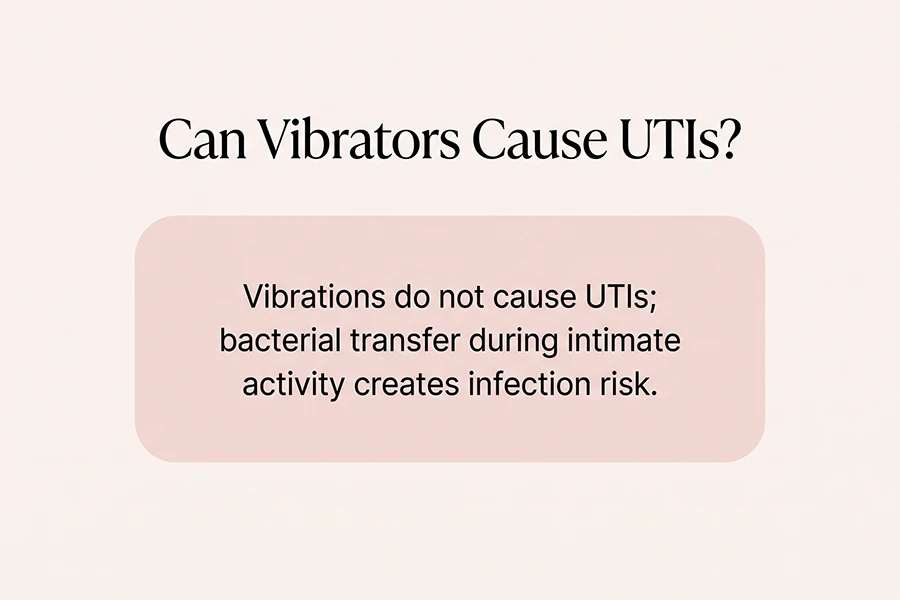
So, can you get a UTI after using a vibrator? Yes, it is possible, but the important issue is bacterial transfer, not vibration itself.

Most UTIs are caused by bacteria, especially Escherichia coli (E. coli), which normally lives in the digestive tract. If these bacteria reach the urethra, they can travel to the bladder and multiply. Because the urethra and anus are close together, sexual activity or toy use can transfer bacteria between these areas. Moving a toy from the anus to the vulva or vagina without washing it first can increase this risk. Good toy hygiene and keeping anal and genital contact separate can help reduce bacterial transfer.
From My Consultation Room (Case Study)
A 29-year-old client visited my practice after experiencing two UTIs within three months. She was worried that she would have to stop using her bullet vibrator altogether. When we reviewed her routine, I noticed that she stored the toy unprotected in a fabric drawer and did not usually urinate after using it. We discussed practical hygiene changes, including storing the toy in a clean, dry place, choosing a non-porous material, and urinating after sexual activity. These changes became part of her routine, and she later reported that she had not experienced another UTI for more than a year.
Warning Signs to Watch For After Toy Use
It is important to distinguish temporary irritation from symptoms that may point to a urinary tract infection. If you’re asking, can you get a UTI after using a vibrator, the key point is that mild tenderness or irritation around the vulva (the external genital area) can sometimes result from friction, especially when there is not enough lubrication, and may settle on its own. UTI symptoms can also appear after sexual activity, but the timing varies, so symptoms should not be attributed to a vibrator based on timing alone.
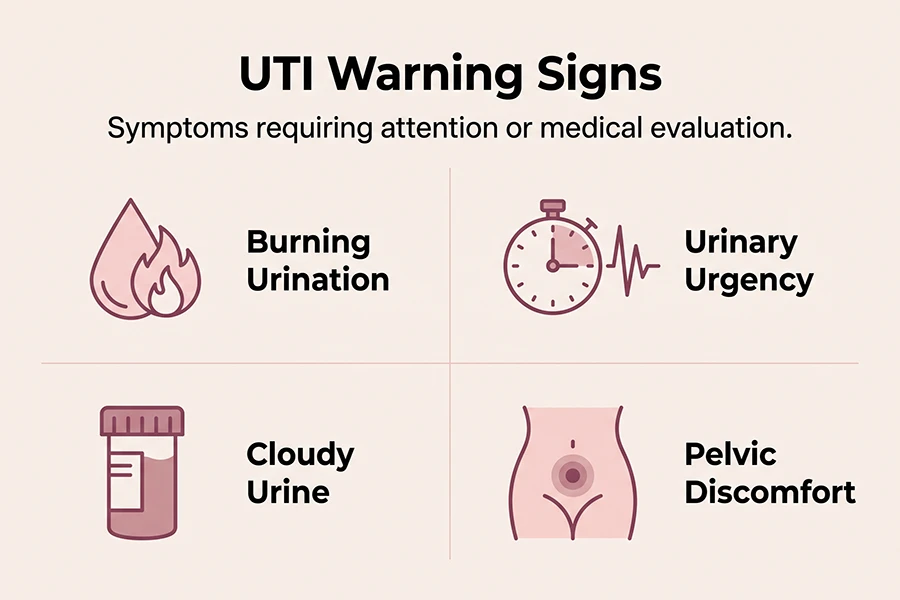
This table outlines common UTI warning signs after toy use, what they may feel like, and when medical attention may be needed.
| Symptom | What It May Feel Like | When to Seek Medical Care |
| Burning or stinging when urinating | Pain, burning, or stinging during urination | If it persists or becomes more noticeable |
| Frequent or urgent urination | Feeling that you need to urinate often or urgently, even when little urine comes out | If the symptom continues or worsens |
| Cloudy, bloody, or strong-smelling urine | A noticeable change in urine appearance or smell | If the change persists or occurs with other UTI symptoms |
| Lower abdominal discomfort | Pressure, discomfort, or pain in the lower abdomen | If persistent or accompanied by other symptoms |
| Fever, chills, back or side pain, or vomiting | Symptoms that may suggest a more serious urinary infection | Seek medical care promptly |
How to Correctly Clean and Dry Your Vibrator
Proper toy hygiene can help reduce bacterial transfer and remove bodily fluids, lubricant, and residue from the surface.
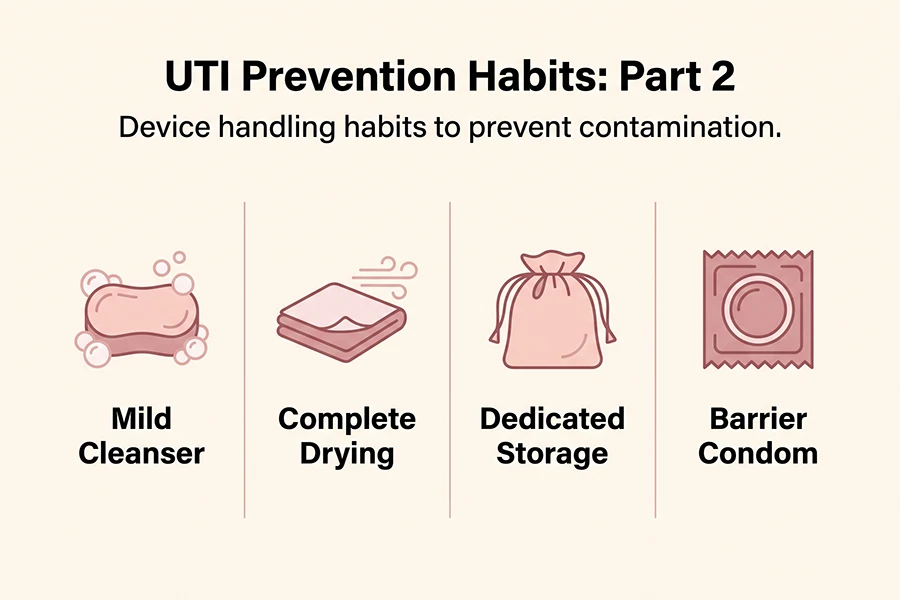
- Clean before and after use: Follow the manufacturer’s instructions. Waterproof toys can usually be washed with water and mild, unscented soap, while non-waterproof toys require the recommended cleaning method.
- Avoid harsh cleaners: Bleach, alcohol, strong fragrances, and abrasive products may damage some materials. Use mild, unscented soap or a suitable toy cleaner instead.
- Dry completely: Air-dry the vibrator or use a clean, lint-free towel before storing it.
- Store separately: Keep the clean, dry toy in a dedicated pouch or clean container as recommended by the manufacturer.
Material choice affects how easily a vibrator can be cleaned. Non-porous materials such as silicone, ABS plastic, and glass have smooth surfaces that do not absorb bodily fluids in the same way as porous materials, making them easier to clean thoroughly.
Porous materials, including some jelly rubber, TPE, and TPR, may retain residue and can be harder to clean completely. If hygiene is a priority, a well-made vibrator with a non-porous surface is generally easier to maintain.
Simple Prevention Habits for Safe Sex Toy Use
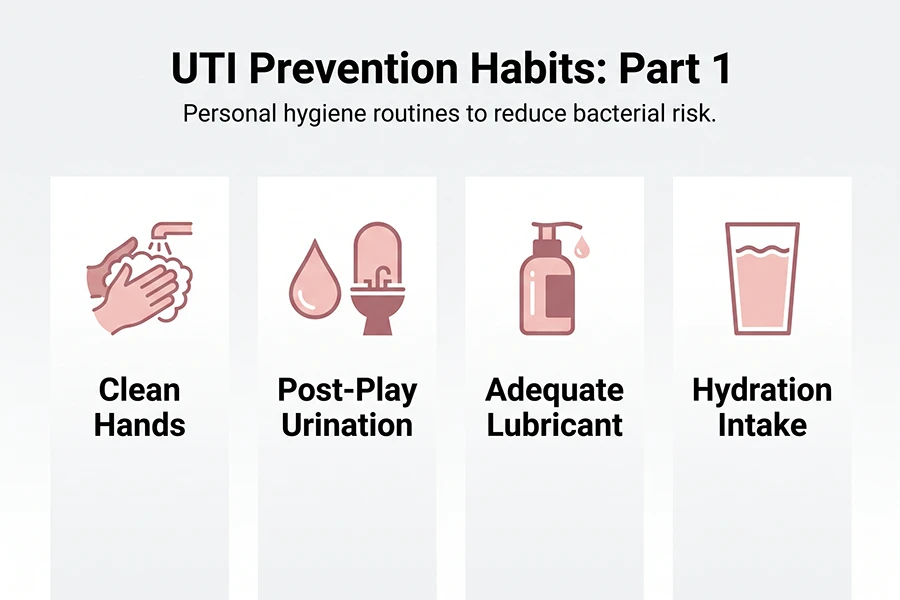
If you’re wondering can you get a UTI after using a vibrator, reducing the risk is mainly about good hygiene and simple bathroom habits rather than avoiding vibration itself:
- Urinate after use: This may help flush bacteria from the urethra; there is no need to follow a strict time rule.
- Stay hydrated: Drinking enough water supports normal urinary function.
- Use enough lubricant: Lubrication can reduce friction and irritation; choose one compatible with your toy.
- Wash your hands first: Clean hands help reduce bacterial transfer.
- Store toys clean and dry: Let the vibrator dry completely before storing it in a clean pouch or container.
- Avoid cross-contamination: Never move a toy from the anal area to the vulva or vagina without cleaning it thoroughly or using a new condom barrier.
These habits can help reduce bacterial transfer, but no hygiene routine can guarantee that you will never develop a UTI.
When Should You See a Healthcare Provider?
Burning or urinary discomfort after toy use does not always mean you have a UTI. Irritation, vaginal conditions, and other causes can produce similar symptoms, so persistent urinary symptoms may need medical evaluation.
Contact a healthcare professional if you develop symptoms such as:
- Burning or pain when urinating that persists.
- A frequent or urgent need to urinate.
- Blood in your urine.
- Pelvic or lower abdominal discomfort.
- Cloudy or unusually strong-smelling urine.
Seek prompt medical attention if urinary symptoms occur with fever, chills, nausea or vomiting, or pain in your back or side, as these can be signs that an infection has reached the kidneys.
Choosing Body-Safe Vibrators
When choosing a vibrator, I recommend looking beyond appearance or motor strength and paying attention to material, cleanability, waterproofing, and overall design. A non-porous surface is particularly practical because it can be cleaned more thoroughly than materials that may retain residue.
SeLove’s collection is designed around intimate wellness, with medical-grade silicone and waterproof construction across its featured products. These features make routine cleaning easier and support the hygiene habits discussed throughout this article.
For example, the PulseWand offers an ergonomic wand design, while the TouchBand has a contoured design intended to provide a different style of use. If you’re comparing options, you can explore the top-rated vibrators and choose a device based on material, cleaning requirements, waterproofing, and the type of design that fits your routine.
Final Thoughts
If you’re wondering can you get a UTI after using a vibrator, a vibrator itself does not cause a UTI, but poor hygiene or bacterial transfer may increase the risk. Keep your toy clean, choose easy-to-clean materials, and avoid using it when irritation occurs.
I would love to hear from you: have you changed your toy-cleaning routine after learning more about UTI prevention? If you have a question about intimate wellness or choosing a body-safe vibrator, feel free to share it in the comments.
References: everydayhealth womens-health
Can using a condom on my vibrator help prevent a UTI?
A condom adds a protective barrier and can make a vibrator easier to keep clean, especially when sharing or switching between body areas. Use a new condom or clean the toy thoroughly before moving it from the anus to the vagina or vulva.
Can I use a vibrator if I currently have a UTI?
If using a vibrator causes pain, burning, pressure, or discomfort, stop until your symptoms improve, as sexual activity may aggravate urinary or genital discomfort.
Does higher vibration intensity increase the risk of getting a UTI?
There is no evidence that vibration intensity itself causes UTIs. Hygiene, bacterial transfer, and irritation are more relevant.