
Key Takeaways:
- There is no single “vibrator feeling”: different designs and settings can produce noticeably different sensations.
- Your body matters: sensitivity, the area being stimulated, and your familiarity with vibration can all affect the experience.
- First-time sensations can feel unfamiliar: it may take some time to understand which intensity and pattern feels comfortable for you.
- Choosing by sensation can help: understanding how different vibrator types work makes it easier to narrow down your options.
What Actually Happens When You Try a Vibrator?
To understand what does a vibrator feel like, it helps to first understand how vibration interacts with your body. So, how does a vibrator work?
Why a Vibrator Feels Different for Everyone
In my practice, I often remind women that there is no universal way a vibrator should feel. Your experience can differ from someone else’s for several perfectly normal reasons, including the type of device, your individual sensitivity, and the vibration settings you choose.
Device Type (Clitoral, G-Spot, Combined)
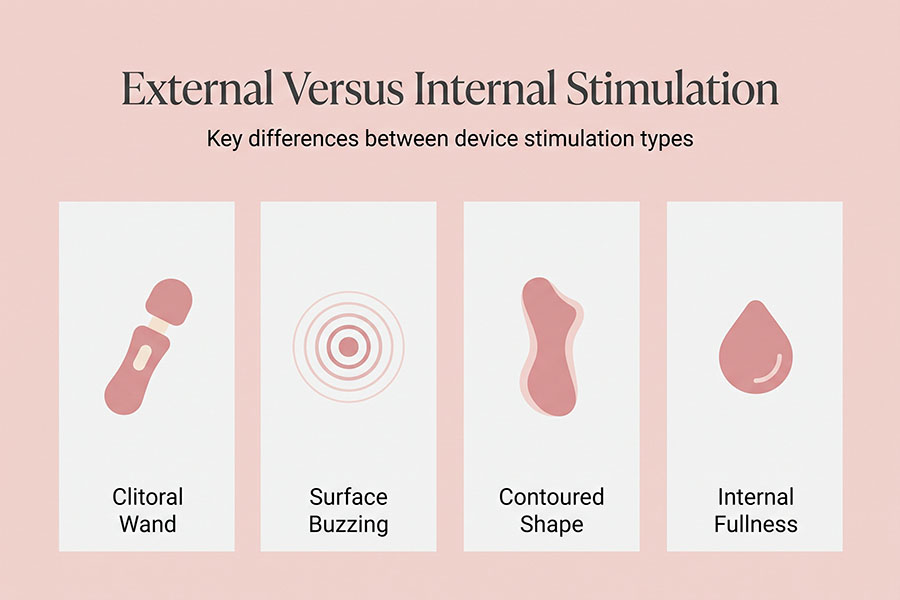
Devices designed for the clitoris provide focused external vibration, while internal devices designed to reach the G-spot area create a different combination of vibration and pressure. Combination devices are designed to provide stimulation in more than one area, so their overall sensation can feel different again.
Individual Sensitivity Levels
Everyone responds to physical stimulation differently. Sensitivity can also vary depending on factors such as stress, relaxation, hormonal changes, or certain medications. This means a setting that feels noticeable to one person may feel too strong or too subtle to another. There is no “correct” level of sensitivity you need to have.
Vibration Intensity and Pattern Settings
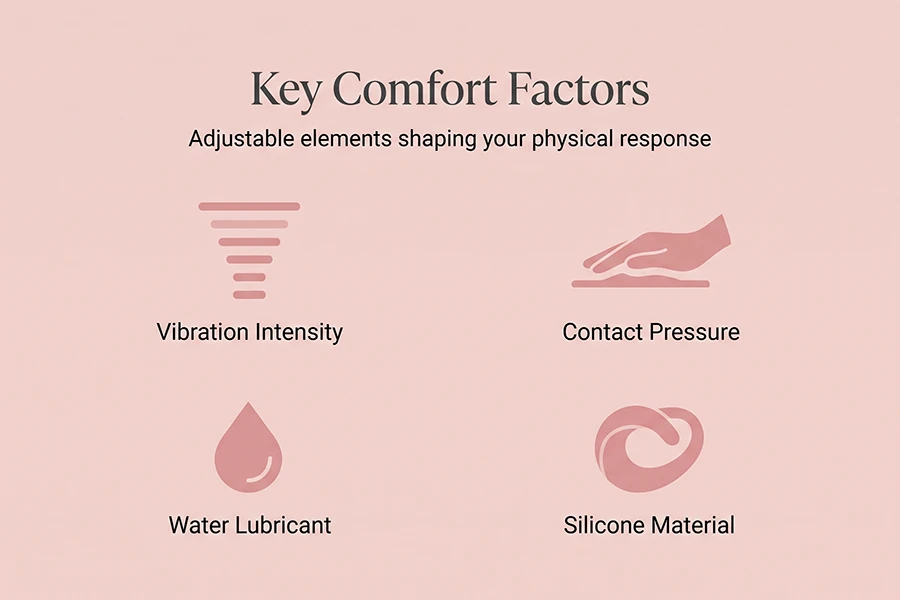
A lower-intensity, steady vibration may feel easier to adjust to, while stronger or patterned settings can create a more pronounced sensation. Starting with a comfortable setting and adjusting gradually can help you understand which level feels appropriate for your body.
What Using a Vibrator for the First Time Feels Like
If you are wondering what does a vibrator feel like on your very first try, be prepared for a learning curve.
Starting with a high-intensity setting and applying strong vibration directly to a sensitive area can make the sensation feel overwhelming rather than pleasurable. Some people may notice temporary tingling, buzzing, reduced sensitivity, or a slightly numb feeling after intense stimulation. This does not necessarily mean that anything is wrong. Starting at a lower setting and increasing the intensity gradually can make it easier to understand how your body responds.

There is no requirement to orgasm the first time you use a vibrator. Sexual response depends on many factors, including physical sensitivity, arousal, comfort, relaxation, and familiarity with the type of stimulation. Focusing on what feels comfortable and pleasurable, rather than expecting a particular outcome, can make the experience more enjoyable. It may take several attempts to discover the pressure, position, and vibration pattern that work best for you.
The Difference Between External and Internal Vibrators
External and internal vibrators can create different sensations because they stimulate different areas of the body. However, there is no single sensation or outcome that applies to everyone.
To help you navigate your choices, my clinical review shows distinct differences in how these two categories interact with your body.
Read More: External vs Internal Vibrators: What You Must Know Before Buying
| Feature / Sensation | External Vibrators (e.g., Clitoral Wands) | Internal Vibrators (e.g., G-Spot Curves) |
| Target Area | Primarily the clitoris and surrounding vulva, which contain many sensory nerve endings | The vaginal canal and areas of the vaginal wall, depending on the device and how it is used |
| Primary Feeling | Often more focused and localized, with sensations ranging from gentle buzzing to stronger rumbling or pulsing | May produce sensations of pressure, fullness, vibration, or internal stimulation |
| Best Used For | Exploring external stimulation and finding a comfortable level of vibration | Exploring internal stimulation and discovering which types of pressure or vibration feel pleasurable |
| Learning Curve | Often straightforward to explore because the stimulation is external | May require more experimentation with angle, position, pressure, and intensity |
How a Vibrator Feels Compared to Real Sex
Many of my clients wonder whether what does a vibrator feel like is similar to partnered sex. The experiences can overlap, but they are not identical. A vibrator provides consistent mechanical stimulation with a relatively predictable rhythm, while partnered sex involves movement, pressure, touch, body warmth, and psychological and emotional factors that can vary throughout the experience. Some people may find the consistency of a vibrator easier to control, while others prefer the changing sensations of partnered intimacy. A vibrator does not have to replace partnered sex; it can be used as a form of solo sexual stimulation or incorporated into partnered intimacy, depending on personal preference.
Read More: Using a Vibrator During Sex: A 6-Step Guide for Couples
What to Do If It Doesn’t Feel Good or Doesn’t Work
From My Consulting Room (Case Study):
Last month, a 34-year-old client visited my clinic because her new vibrator felt “painful and buzzy” rather than pleasurable. We found that she was using a firm, hard-surfaced device directly on a highly sensitive area without lubricant and at an intensity that felt uncomfortable. I suggested switching to a softer device with adjustable vibration, using a water-based lubricant, and starting with gentle stimulation around the surrounding tissues before gradually moving toward more sensitive areas. Within a week, she reported that the experience felt significantly more comfortable and relaxing.
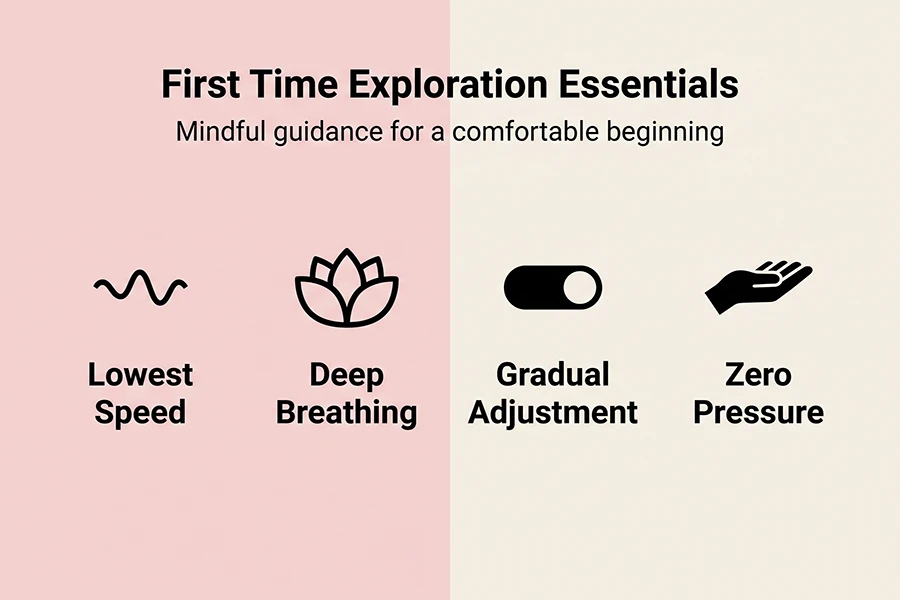
This case highlights that when a vibrator feels uncomfortable, the issue may not be the vibrator itself. Factors such as intensity, pressure, lubrication, surface material, and technique can all affect how vibration feels. Finding the right combination can make the experience more comfortable and enjoyable.
How to Choose a Model That Feels Exactly How You Want
Choosing the right vibrator is largely a matter of matching the device to the type of stimulation you prefer. Consider whether you want external or internal stimulation, a focused or broader sensation, adjustable intensity, different vibration patterns, and a size and shape that feels comfortable to handle. Material, surface texture, noise level, ease of cleaning, and water resistance can also affect the overall experience.
If you prefer a softer, more comfortable surface, body-safe, non-porous materials such as high-quality silicone can be a practical option because they are relatively easy to clean when used according to the manufacturer’s instructions. If you are sensitive to intense vibration, a model with multiple intensity levels can give you more control over the sensation. Rather than choosing a vibrator because it is marketed as stronger or more powerful, look for one that allows you to adjust stimulation to your comfort level.
Final Thoughts
Answering what does a vibrator feel like is a personal process. There is no single sensation that everyone should experience, and it can take time to discover what feels comfortable and pleasurable for your body. Approach the experience with curiosity, patience, and self-compassion rather than focusing on a specific outcome.
I would love to hear from you. have you recently tried a new wellness routine, or do you have any lingering questions about your anatomy? Please share your thoughts or questions in the comments section below.
References: webmd healthline
Can using a vibrator make me less sensitive over time?
Usually, any reduced sensitivity after prolonged or intense vibration is temporary. You may notice that an area feels less sensitive immediately after use, but this does not mean that a vibrator causes permanent loss of sensitivity. If numbness persists after you stop using the device or occurs frequently, take a break and speak with a healthcare professional.
Should I use a lubricant even if I naturally produce a lot of moisture?
Not necessarily, but lubricant can make vibrator use more comfortable by reducing friction. Even when you have natural lubrication, you may prefer additional lubricant depending on the device, the type of stimulation, and how your body feels. A water-based lubricant is generally a versatile choice and is typically compatible with silicone-based toys.
I feel anxious before turning it on; is there a way to relax my body first?
Yes. Give yourself time to get comfortable before using the device. Slow, relaxed breathing, unclenching your jaw and shoulders, and taking a few minutes to settle down can help reduce overall tension. You can also start with the lowest vibration setting and give yourself time to adjust.