
Key Takeaways:
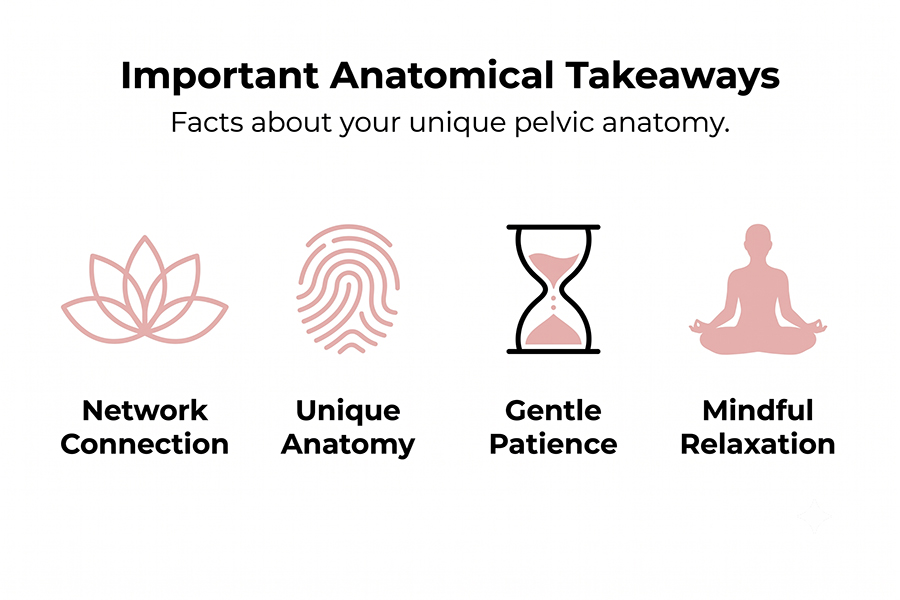
- Not a Separate Organ: The G-spot is a sensitive area that forms part of the broader internal clitoral network rather than being a distinct anatomical structure.
- Every Body Is Different: Natural anatomical variations mean each woman’s pelvic anatomy and sensory experience are unique.
- Finding the G-Spot Takes Patience: Understanding how to find the G-spot is more about relaxation, curiosity, and body awareness than searching for a precise location.
- Mind and Muscles Work Together: Pelvic floor relaxation and emotional well-being can influence comfort, body awareness, and sexual sensation.
What Is G Spot Exactly and Where Is It?
When women ask me, “Where is the G-spot?“, I always smile because there’s so much unnecessary mystery surrounding it. The truth is much simpler. The G-spot isn’t a hidden “button” waiting to be found. Instead, it’s a sensitive area along the front wall of the vagina (the internal canal of the female reproductive system), usually about two to three inches (5–8 cm) inside. Every woman’s anatomy is a little different, so its exact location and sensitivity can naturally vary.
When your body feels relaxed and sexually aroused, increased blood flow may make this area feel slightly fuller or more textured than the surrounding tissue. Some women describe it as feeling similar to a soft sponge or a small walnut, while others notice very little difference at all. In my experience, both are completely normal. Your body isn’t meant to match anyone else’s, and there’s no “right” way to experience your own anatomy.
Is the G-Spot Scientifically Proven or Just a Myth?

Besides asking “what is G spot?”, another question I often hear—especially from women who encounter conflicting information online—is this. The reassuring answer is that the G-spot isn’t a myth. What has changed over the years is our understanding of what it actually is.
Rather than being a separate organ hidden inside the body, current research suggests that the G-spot is part of a broader network of sensitive tissues. It appears to be closely connected to the internal structures of the clitoris (the primary center of nerve endings in the external female genital area), the tissues surrounding the urethra (the tube that carries urine from the bladder), and the front wall of the vagina. Together, these structures may help explain why stimulation in this area feels different from one woman to another.
Why Do Some Women Feel the G-Spot More Easily Than Others?
Many women quietly wonder if something is “wrong” because their experience doesn’t match what they’ve read online or heard from friends. The reassuring truth is that there isn’t one “correct” way to experience the G-spot. Your body, your nervous system, and even how you’re feeling emotionally can all play a role.
Here’s what I most often explain to my clients:
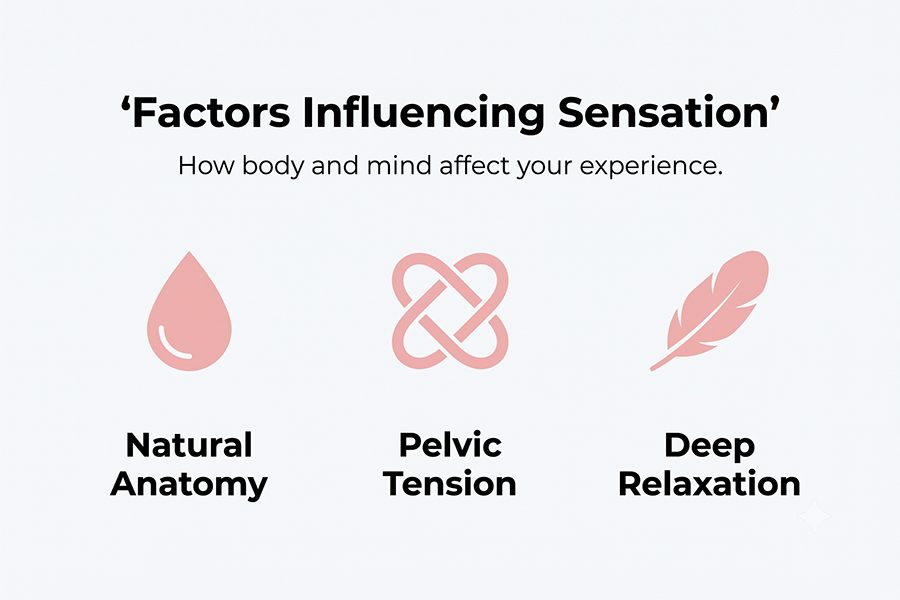
| Factor | What happens | What it may feel like |
| Anatomy | Natural differences in location, tissue thickness, and nerve endings | Strong sensation for some; mild or little sensation for others |
| Stress & pelvic floor tension | Stress can unconsciously tighten pelvic muscles | Pressure, tension, or urge to urinate, Instead of pleasurable sensations |
| Arousal & comfort | Blood flow increases and tissues become more sensitive; relaxation improves awareness | The same touch can feel very different depending on relaxation, comfort, and level of arousal. |
How to Find the G Spot: A Step-by-Step Guide
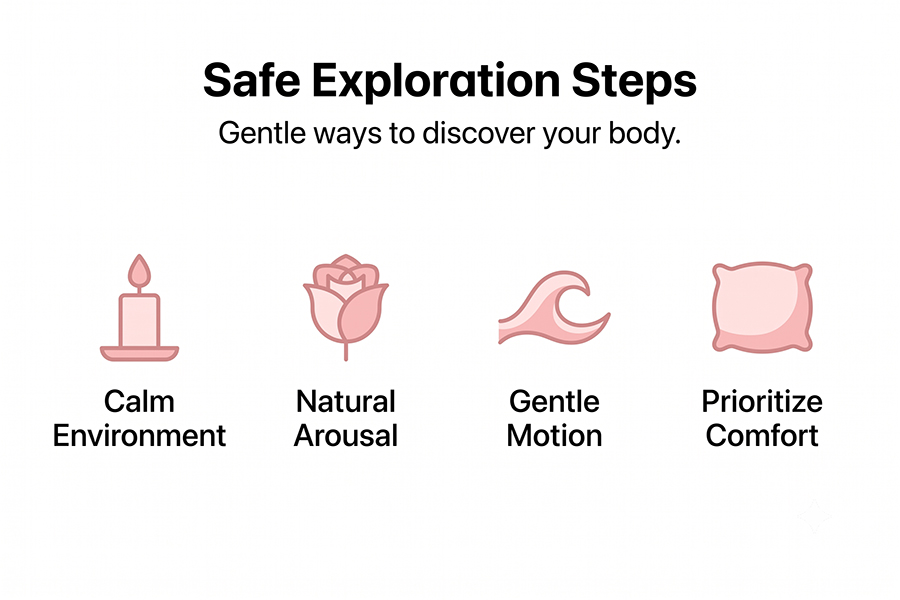
If you’re curious about exploring your own body, especially questions like “what is G spot” I encourage you to think of it as an act of self-discovery rather than something you need to get right. Whether you’re exploring on your own or with a trusted partner, the goal isn’t to chase a particular outcome—it’s to become more familiar with how your body naturally responds.
Create a Calm, Comfortable Environment
Give yourself permission to slow down. A few deep breaths, a comfortable setting, and letting go of the day’s stress can help your body feel more relaxed and notice subtle sensations easier.
Allow Your Body Time to Respond
Natural arousal increases blood flow to the pelvic tissues, which may make the area along the front wall of the vagina easier to notice. There’s no need to rush this process—every body responds at its own pace.
Read More: Best Vibrators for G-Spot Stimulation: 3 Powerful Picks
The “Come Here” Motion
Using clean fingers (yours or a partner’s), gently insert one or two fingers about two to three inches inside. Press gently upward toward your belly button, using a soft “come here” curving motion.
Explore Gently and Without Expectations
As you become familiar with your anatomy, you may notice that the front wall of the vagina feels slightly different from the surrounding tissue. Some women describe it as a little firmer or more textured, while others notice very little difference. Both experiences are completely normal.
Pay Attention to Comfort, Not Performance
If you notice pressure or even a temporary urge to urinate, try not to worry. Because this area is close to the urethra, these sensations can happen for some women. If anything feels uncomfortable or painful, simply pause, relax, and listen to your body’s signals.
The Connection Between the G-Spot, Orgasm, and Squirting
When we talk about a g spot orgasm, we are talking about a deeply restorative physiological response. Because the nerves in this area are different from the external clitoris, the sensation often feels broader, deeper, and more wave-like.
You may also have heard about fluid release, or “squirting.” This is simply the release of fluid from the Skene’s glands (small glands located near the urethra) during deep relaxation and stimulation. It is a completely natural, healthy physiological response, though not every woman will experience it, and that is absolutely fine.
Read More: Types of Orgasms: Discover the 10 Ways Your Body Can Reach Pleasure
Don’t Worry If You Don’t Find It Right Away
Before we finish, there’s one thing I always want my clients to remember when it comes to questions like “what is G spot”.
If you don’t immediately notice your G-spot—or if your experience is different from someone else’s—it doesn’t mean you’re doing anything wrong. Every woman’s anatomy, sensitivity, and comfort level are unique, and there is no “perfect” response your body is expected to have.
In my experience, women tend to feel much more confident when they stop treating the G-spot like something they have to find and instead become curious about how their own body naturally responds. Self-understanding is never a race, and your body doesn’t need to meet anyone else’s expectations.
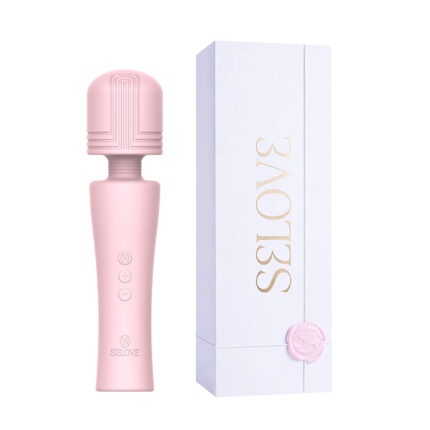
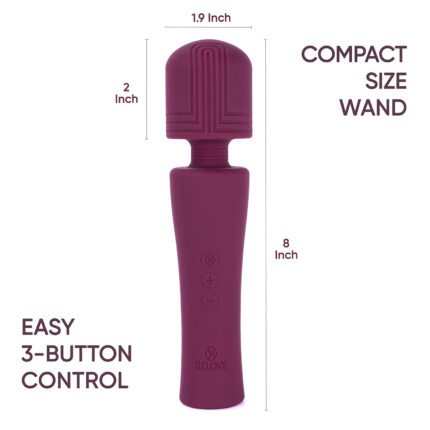
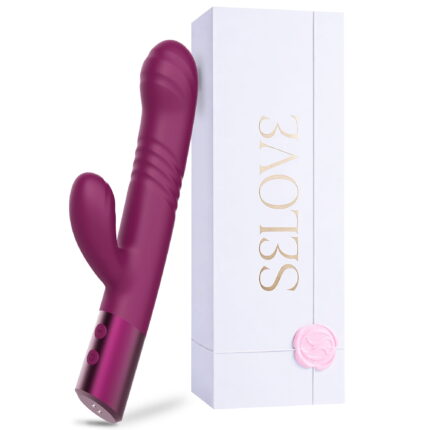
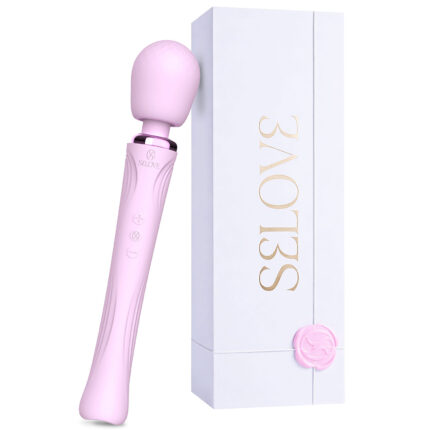
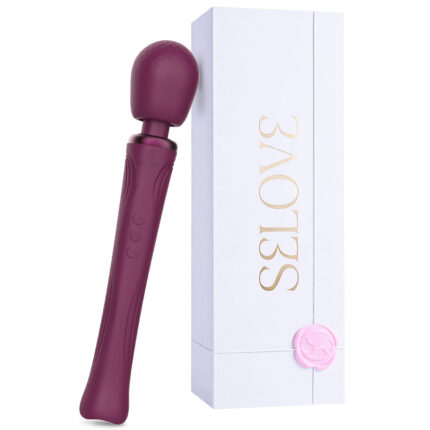
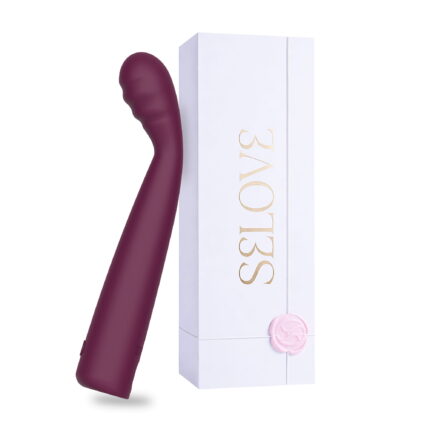
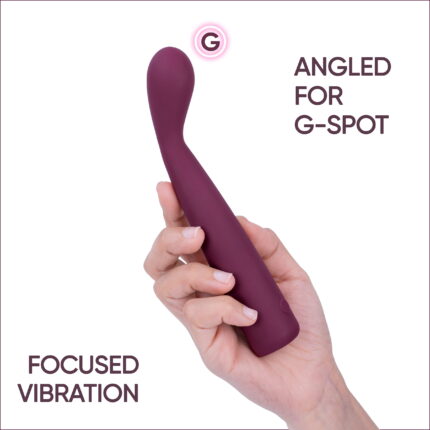
For some women, a thoughtfully designed G-spot vibrator can make it easier to explore their anatomy because its curved shape is intended to reach the front wall of the vagina more comfortably than using fingers alone. Rather than thinking of it as a shortcut or a requirement, I encourage you to see it as one of many self-care tools that may help you become more familiar with your body’s natural responses.
Read More: How to Use a G-Spot Vibrator for the First Time: A Gentle Guide

Final Thoughts
If there’s one thing I hope you take away from this guide, it’s that understanding what is G spot isn’t about finding a hidden secret inside your body. It’s about learning to appreciate your anatomy with curiosity, patience, and kindness.
As both a midwife and sex therapist, I’ve seen how much unnecessary pressure women place on themselves because of myths or unrealistic expectations. My hope is that this article has replaced some of that uncertainty with confidence and helped you feel a little more connected to your own body.
If you still have questions or would like to share your experience, I’d love to hear from you. Your question may also help another woman feel a little less alone on her own journey.
References: yourtango naturalcycles
Can the G-spot become more or less sensitive over time?
Yes. Hormonal changes, stress levels, childbirth, menopause, medications, and overall pelvic health can all influence how sensitive this area feels at different stages of life.
Is it possible to enjoy sex without ever noticing the G-spot?
Absolutely. Sexual pleasure isn’t dependent on a single area of the body. Many women have fulfilling sexual experiences without identifying or focusing on the G-spot.
Should I see a healthcare professional if touching this area is painful?
Yes. Mild pressure or unfamiliar sensations can be normal, but persistent pain, bleeding, or significant discomfort should be evaluated by a qualified healthcare professional to rule out an underlying medical condition.